Views: 0 Author: Site Editor Publish Time: 2026-09-24 Origin: Site
The fundamental conflict in pizza transport physics comes down to a zero-sum game. Trapping heat inherently traps steam, while venting steam accelerates heat loss. A freshly baked pie emerges from the oven at over 200°F, rapidly off-gassing moisture from the sauce, cheese, and dough. When placed immediately into a sealed environment, this moisture has nowhere to go. Delivering cold or soggy pizza directly impacts customer retention, online reviews, and operational profitability. Standard cardboard boxes and basic thermal bags fail during transit times exceeding 15 minutes.
Solving this requires a systematic approach to thermal management rather than relying on standard packaging. Operators must balance thermodynamics and moisture control to ensure the product arriving at the destination matches the quality leaving the oven. This guide evaluates commercial-grade equipment, packaging technology, holding strategies, and pre-transit baking adjustments to optimize both temperature retention and crust integrity.
Active vs. Passive Systems: High-volume operations require active heating systems (like induction discs) combined with ventilated bags to maintain temperatures above 140°F without trapping moisture.
Packaging is the First Line of Defense: Upgrading to highly fluted, properly vented corrugated boxes and utilizing raised box inserts prevents the crust from steaming in its own moisture.
Bake and Rest Protocols: Modifying dough hydration, managing wet toppings, and implementing a 30-to-60-second resting period before boxing significantly reduces in-transit condensation.
The Foil Fallacy: Wrapping pizza in aluminum foil retains heat but guarantees a soggy crust; moisture escape routes are mandatory for crispness.
Table of Contents
To establish a successful delivery operation, you must first define the baseline metrics for success. The industry standard requires maintaining a core temperature of 140°F to 150°F upon arrival while preserving the structural rigidity of the crust. Falling below 140°F causes cheese to congeal and milk fats to solidify, ruining the mouthfeel. Conversely, maintaining high heat without ventilation destroys the crust's cellular structure through excessive moisture exposure.
Understanding the condensation loop dictates how you handle packaging. When a hot pizza is boxed, ambient air inside the packaging rapidly heats up and absorbs moisture from the food. As this hot, moisture-laden air rises, it hits the cooler ceiling of the standard cardboard box. The temperature differential causes the vapor to reach its dew point, condensing into liquid water droplets. Gravity then pulls these droplets directly back onto the pizza. The crust absorbs this water like a sponge, immediately losing its snap and becoming chewy.
This loop accelerates in colder climates. If the exterior of the box cools rapidly, the ceiling temperature drops faster, increasing the rate of condensation. You cannot stop the physics of evaporation, but you can control where that moisture goes.
Transport dynamics shift drastically based on the delivery radius. A 10-minute trip relies primarily on ambient box heat. The thermal mass of the pizza itself, combined with basic corrugated insulation, usually suffices to keep the product warm without generating enough sustained steam to ruin the crust. However, a 30-minute transit introduces severe degradation risks. Over longer durations, the internal box temperature drops while humidity peaks, making active thermal management mandatory.
Transit Time | Primary Challenge | Thermal Dynamics | Required Intervention |
|---|---|---|---|
0 - 10 Minutes | Flash Steam | High heat, rapid initial moisture release. | Proper box venting and pre-box resting. |
10 - 20 Minutes | Condensation Pooling | Box ceiling cools, steam condenses and drips. | Dimpled inserts and moisture-wicking bags. |
20 - 40+ Minutes | Core Temperature Drop | Heat loss exceeds thermal mass retention. | Active heated delivery systems (induction discs). |
Operators constantly face the operational balance between maximum heat retention and maximum ventilation. Sealing a box tightly retains heat but guarantees sogginess. Cutting massive vents ensures a crisp crust but risks delivering a cold pie. The solution lies in controlled ventilation combined with advanced insulation materials that allow vapor molecules to escape while reflecting radiant heat back toward the food. You want a microclimate that breathes just enough to shed heavy steam without dumping the core ambient heat.
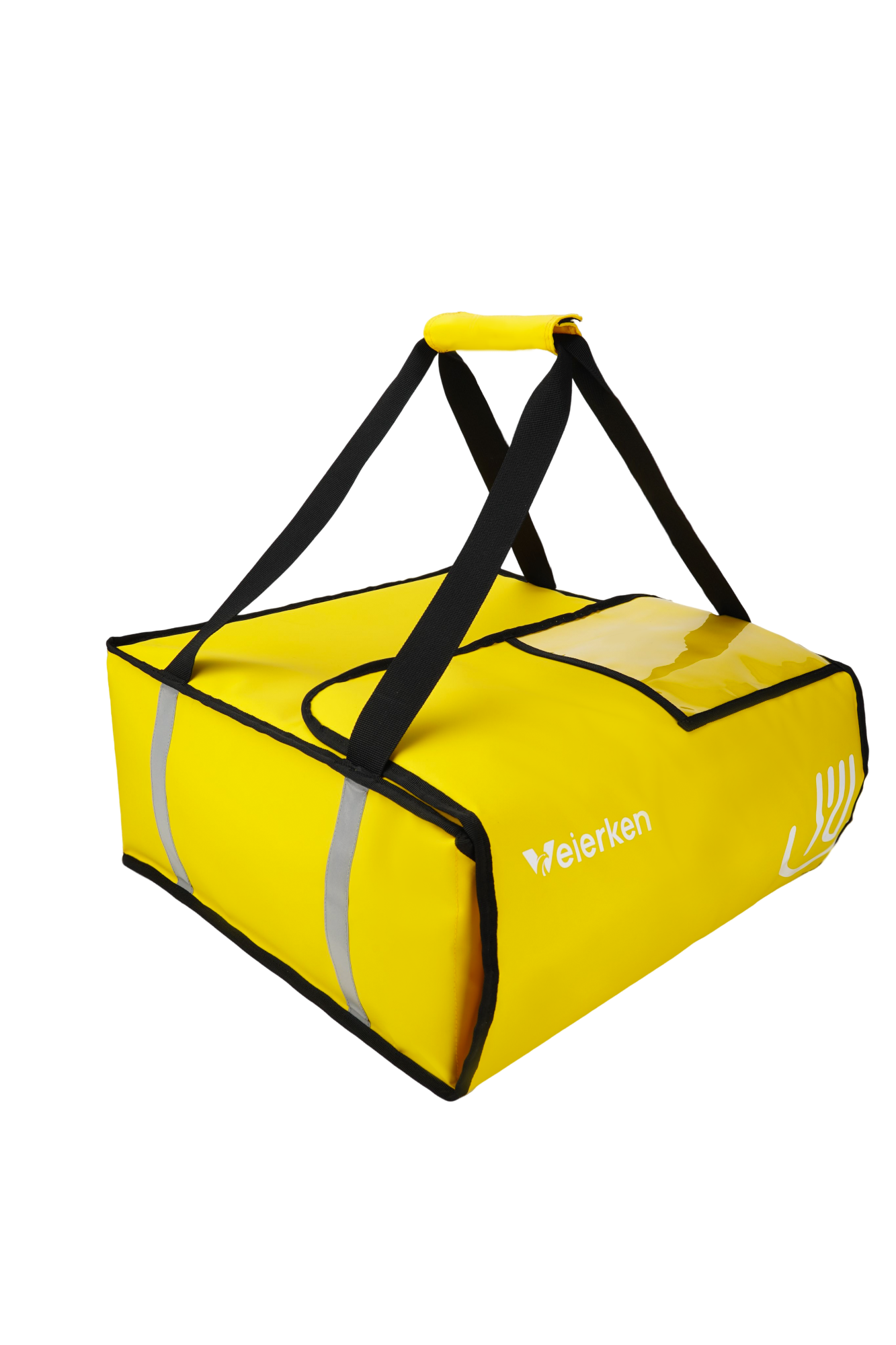
Selecting the appropriate transport equipment dictates the success of your logistics network. A standard delivery bag for pizza acts as the primary microclimate for the product during transit. Understanding the difference between passive and active systems allows operators to match equipment to their specific volume and delivery radius.
Passive thermal bags use the pizza’s own heat to maintain temperature during delivery. They work well for short-distance trips, but bags made from non-breathable materials can trap steam and make the crust soggy. Choose bags with ventilation, breathable linings, and good insulation. These features help moisture escape while keeping enough heat inside the bag.
Active heated delivery systems provide extra heat during longer trips and high-volume delivery. Heated bags or thermal discs can maintain a stable temperature while proper ventilation helps control moisture. These systems can support longer delivery times, but they require charging equipment, additional space, and driver training.
Proper stacking helps protect pizzas during delivery. Avoid placing too many boxes in one bag, as the bottom boxes may be crushed and collect more moisture. Place heavier pizzas at the bottom, use strong box inserts when needed, and leave some space above the top box for steam to escape. This helps protect the boxes while improving heat and moisture control.
The cardboard box is the first line of defense against thermal loss and moisture damage. Upgrading packaging specifications yields immediate improvements in product quality without altering kitchen workflows. A box is not just a container; it is an active thermal management tool.
Evaluate B-flute versus E-flute cardboard for thermal insulation and structural integrity. B-flute corrugated cardboard is thicker, offering superior thermal insulation and crush resistance. The larger air pockets between the flutes act as a thermal barrier, slowing heat transfer to the outside environment. E-flute is thinner and cheaper but sacrifices heat retention and structural rigidity.
Flute Type | Thickness | Insulation Quality | Best Use Case |
|---|---|---|---|
B-Flute | 1/8 inch | Excellent | Long-distance delivery, heavy topping loads. |
C-Flute | 11/64 inch | Maximum | Deep dish, extreme cold weather transport. |
E-Flute | 1/16 inch | Poor | Dine-in leftovers, ultra-short radius. |
Vent placement dictates moisture control. Side vents are generally superior to top vents. Top vents allow rising heat to escape too rapidly, creating a chimney effect that cools the cheese. Side vents facilitate cross-ventilation. This allows steam to exit laterally without dumping the core ambient heat required to keep the cheese melted.
The bottom of the crust is highly susceptible to moisture damage from pooled grease and condensation. Evaluate the use of corrugated liners or plastic pizza savers that elevate the pie 1/8 inch off the bottom of the box.
Elevating the crust prevents it from sitting in liquid. The microscopic air gap created by dimpled inserts allows air to circulate underneath the pie, maintaining the structural integrity of the bottom bake. While this adds a marginal cost per order, the reduction in refund requests and negative reviews justifies the expenditure. A dry bottom crust survives transit significantly better than one resting flat against cardboard.
Consumer-level advice often suggests wrapping slices or whole boxes in aluminum foil for parties or transport. This method fails completely in commercial or high-quality transport. Foil is an absolute vapor barrier. It completely eliminates moisture evaporation, forcing 100% of the steam back into the dough. While the product will remain dangerously hot, the crust will turn into a soggy, unpalatable sponge within ten minutes. Moisture escape routes are mandatory for crispness. Never use foil for delivery.
Thermal management begins before the product even enters the box. Adjusting kitchen protocols ensures the pizza is structurally prepared to survive the harsh environment of transit. You have to engineer the food for the journey.
Pizza made for delivery needs a crust that can handle moisture during transport. Slightly reducing dough hydration, such as from 65% to 62%, can reduce the amount of steam released inside the box. Extending the bake time by about 60 seconds can also create a firmer crust that resists moisture better and stays crisp longer during delivery.
Fresh mozzarella, vegetables, and heavy sauces can release moisture inside the pizza box. To reduce this problem, drain fresh cheese well, pre-cook high-moisture vegetables, and consider using slightly less sauce for delivery orders. Reducing excess moisture before baking helps limit steam and keeps the crust from becoming soggy during transport.
Allow the pizza to rest on a raised wire rack for about 45 to 60 seconds before placing it in the delivery box. This gives the first wave of steam time to escape and prevents moisture from becoming trapped under the crust. Avoid placing the pizza directly on a solid surface during this period, then transfer it to a vented box for delivery.
Managing the gap between baking and dispatch is where many operations fail. Holding strategies must prioritize moisture venting just as heavily as temperature maintenance. A pizza sitting in a poorly managed holding area degrades faster than one in a moving vehicle.
Warming cabinets can keep boxed pizzas hot before delivery or during catering service, but proper ventilation is important. Keep the cabinet vents open so steam and excess moisture can escape. If condensation appears inside the cabinet, increase ventilation and remove moisture from the interior. This helps maintain heat without making the pizza crust soggy.
Customers should keep pizza warm without trapping too much steam. When using a warm oven, leave the pizza box slightly open so moisture can escape. Avoid reheating pizza with a damp towel in the microwave, as added steam can soften the crust. A dry skillet over medium heat is a better option for restoring a crisp bottom while warming the cheese.
Even the best packaging and baking protocols fail if the logistics network is inefficient. Speed and workflow optimization are the final variables in the thermal management equation. Time-in-bag is the ultimate metric you must control.
Reduce the time pizza spends waiting for pickup and traveling inside the delivery bag. A KDS can help kitchens prepare and box pizzas closer to the driver’s arrival time, while route planning can reduce unnecessary stops. Orders should also be grouped by nearby delivery locations when possible, helping shorten time in the bag and maintain better temperature and crust quality.
Choose delivery equipment and packaging based on order volume and delivery distance. Active heated systems provide steady heat and can work well for high-volume or longer-distance delivery, but they require more equipment and upfront investment. Passive insulated bags combined with strong vented boxes and proper dispatch timing are simpler and may be more practical for smaller delivery operations.
To successfully keep pizza hot during delivery, you must execute the following operational upgrades immediately:
Conduct a 30-minute blind transit test comparing your current packaging against a highly fluted, side-vented box with a raised dimpled insert.
Implement a mandatory 45-second wire rack resting protocol for all delivery orders straight out of the oven before boxing.
Audit your current thermal bags for moisture-wicking linings and replace any non-breathable vinyl bags that trap steam.
Adjust dough hydration down by 2-3% and pre-roast wet vegetable toppings specifically for the delivery menu to minimize internal box humidity.
Integrate your KDS with driver tracking to ensure pizzas are boxed no more than three minutes before the driver arrives for dispatch.
A: Trips exceeding 30 minutes require active heated delivery systems. Use induction-heated discs placed inside ventilated, moisture-wicking thermal bags. This provides continuous dry heat, keeping the internal temperature above 140°F while preventing condensation from destroying the crust.
A: The optimal bag features breathable nylon linings, built-in ventilation grommets, and dense polyurethane insulation. Avoid non-breathable vinyl interiors, as they trap 100% of the steam generated by the food, forcing moisture back into the cardboard and dough.
A: Keep the pizzas in their original corrugated boxes and place them in an oven set to the lowest warm setting, around 150°F. Crucially, leave the box lids slightly cracked open to allow steam to escape, preventing the crust from steaming in its own moisture.
A: No. Wrapping pizza in aluminum foil is a guaranteed way to ruin the crust. Foil acts as an absolute vapor barrier, trapping all escaping steam and forcing it directly back into the dough, resulting in a completely soggy texture.
A: Rest the pizza on a wire cooling rack for 45 seconds after baking to allow flash-steam to dissipate. Use B-flute corrugated boxes with side vents, and insert a dimpled crust saver to elevate the pie, allowing air circulation underneath.
A: Yes, but you must keep the warming drawer's humidity vents fully open. If the vents are closed, the moisture escaping from the boxes will turn the cabinet into a steam room, ruining the structural integrity of the crusts within minutes.