Views: 0 Author: Site Editor Publish Time: 2026-09-24 Origin: Site
Soggy takeout destroys restaurant margins. When a customer orders crispy chicken or fresh fries, they expect a satisfying crunch upon arrival. Delivering a damp, mushy meal guarantees negative reviews and triggers immediate refund requests on third-party delivery apps. This creates a massive commercial problem for operators relying on off-premise dining. The core issue stems from a strict thermodynamic conflict inherent in food transport. You must retain safe serving temperatures while simultaneously venting the steam that destroys starch-based crusts. Trapped heat rapidly turns into condensation, which instantly ruins the breading. Solving this requires a systematic operational approach rather than relying on a single quick fix. Success demands optimizing kitchen prep, adjusting batter formulations, and utilizing specialized packaging. You also need clear customer communication and the right transport gear. Mastering these elements ensures your menu items survive the journey intact and protects your brand reputation.
Resting protocols dictate transit survival: Eliminating surface oil and initial steam via wire racks—not paper towels—prevents immediate condensation inside the box.
The cool-down window is critical: Allowing a brief, controlled temperature drop before sealing the container significantly reduces steam-induced sogginess.
Ventilation is non-negotiable: Trapped steam is the primary cause of sogginess; packaging must prioritize airflow over maximum heat retention.
Material selection drives outcomes: Vented corrugated cardboard outperforms plastic and standard styrofoam in moisture management.
Transport gear matters: Utilizing a specialized delivery bag for fried food with moisture-wicking or breathable properties prevents the "greenhouse effect" during the last mile.
Customer education bridges the gap: Providing clear reheating instructions (e.g., air fryer tips) salvages the experience when transit times exceed structural limits.
Table of Contents
Understanding the physics of takeout dictates your success in protecting food quality. Fried foods possess high-moisture interiors encased in a dehydrated, starch-based exterior. The frying process drives moisture out of the crust, creating a crispy barrier. However, the internal moisture remains high. Once you remove the item from the fryer, the core continues to release steam as the internal temperature equalizes.
The mechanics of steam release create a massive challenge for delivery operations. High-moisture interiors like chicken breast or thick-cut potatoes emit steam continuously for several minutes post-fry. When this hot vapor meets the cooler ambient air inside a sealed container, it condenses. Water droplets form on the lid and walls of the packaging. Gravity pulls these droplets directly back onto the food. This moisture rehydrates the starches in the breading. The crust absorbs the water, loses its structural integrity, and becomes mushy. Preventing this condensation trap requires aggressive moisture management at every stage of the packing process, starting the second the basket leaves the oil.
Establishing realistic benchmarks helps manage operational expectations on the line. Standard wheat-flour breading maintains structural integrity for about 15 to 20 minutes without intervention. This short window barely covers the average prep-to-doorstep timeline in a dense urban market. Extended delivery radii demand pushing this limit to 30 or 45 minutes. Achieving this extended lifespan requires modifying the crust chemistry and the transport environment. You must measure your current degradation timeline to understand your baseline. Box your top-selling fried item, seal it, and check the texture every five minutes. This baseline metric dictates how aggressively you need to overhaul your packaging strategy.
Food Item Type | Average Moisture Content | Standard Crunch Lifespan (Unvented) | Target Crunch Lifespan (Optimized) |
|---|---|---|---|
Shoestring French Fries | Low to Medium | 10 - 12 minutes | 25 - 30 minutes |
Bone-in Fried Chicken | High | 15 - 20 minutes | 40 - 45 minutes |
Battered Fish Fillets | Very High | 8 - 10 minutes | 20 - 25 minutes |
Onion Rings (Thick Cut) | Medium | 12 - 15 minutes | 30 - 35 minutes |
Operators face a difficult operational decision daily. You must balance strict food safety compliance with texture preservation. Health regulations require keeping hot food above 135°F (57°C) during transport to prevent bacterial growth. However, trapping maximum heat inherently traps maximum steam. Prioritizing absolute heat retention destroys the crunch. You must vent the heat strategically. Allowing a controlled amount of thermal energy to escape carries away the destructive moisture. Finding the exact balance between safe holding temperatures and adequate ventilation defines a successful delivery program.
Packaging alone cannot save poorly handled food. The first few minutes after an item leaves the fryer dictate its survival during transit. Implementing strict kitchen workflows prevents sogginess before the food even enters the box. The expediter controls this phase and must enforce these rules rigidly.
Placing freshly fried items directly on paper towels is a massive operational mistake. Paper towels excel at absorbing surface oil. However, they completely block airflow underneath the food. The hot item releases steam downward. The paper towel traps this steam against the bottom crust, creating a soggy base within seconds. Instead, mandate the use of elevated wire cooling racks on your prep line. Wire racks allow 360-degree airflow around the item. Let the food rest on the rack for one to two minutes post-fry. This allows excess oil to drip away while steam escapes freely into the kitchen exhaust hood.
Packing food at its absolute peak temperature guarantees massive condensation. You must implement a controlled cool-down window. The initial wave of steam released immediately after frying is the most destructive. Allow a slight temperature drop before transferring the food to the takeout container. Letting this massive wave of vapor dissipate in the open air is the most effective way to eliminate steam-induced sogginess. Train your expediters to delay closing the box for an extra 60 to 90 seconds. This brief pause significantly extends the lifespan of the crust during transit without violating safe holding temperatures.
Different menu items require distinct handling protocols based on their density and moisture content. Dense, bone-in fried chicken holds immense thermal mass. It releases steam much longer than thinner items. Chicken requires an extended resting phase on the wire rack and wider venting in the packaging. Conversely, shoestring fries possess low thermal mass. They cool rapidly and become rigid. Fries require faster packing with moderate airflow to prevent them from becoming cold and brittle. Adjust your resting times based on the specific thermal profile of each item on your menu.
The chemical composition of your batter directly impacts its humidity resistance. Standard wheat flour contains high levels of gluten, which absorbs ambient moisture rapidly. Modifying your formulation creates a more resilient crust that survives the delivery window.
Integrate High-Amylose Starches: Incorporate cornstarch, potato starch, or rice flour into your dredge. These starches contain higher ratios of amylose. Amylose creates a rigid, glass-like structure when fried. This structure withstands humidity far better than wheat flour alone. A 50/50 blend of all-purpose flour and cornstarch is a standard starting point for delivery-optimized menus.
Utilize Volatile Hydration Liquids: Replace tap water with vodka or carbonated water in wet batters. Alcohol evaporates at 173°F, much faster than water at 212°F. This rapid evaporation creates a drier, crispier crust while inhibiting gluten formation. Carbonation creates micro-blisters that increase surface area and enhance the physical crunch.
Implement Double-Frying Techniques: Evaluate the return on investment for double-frying delivery-specific items. The first fry cooks the interior at a lower temperature. The second fry, done at a higher temperature just before packing, aggressively drives out residual moisture from the crust. This reinforces structural integrity and creates a barrier highly resistant to condensation.
Selecting the correct container material dictates how well you manage the thermodynamic conflict. The packaging must act as an active moisture management system rather than just a physical vessel to hold the meal.
Clamshell plastics trap all moisture. They offer zero breathability and turn into miniature saunas during transit. The steam condenses on the plastic lid and rains down on the food. Standard styrofoam presents similar issues, trapping heat and moisture while offering poor structural support. Vented, corrugated cardboard provides superior performance. The flutes within the cardboard offer passive insulation, retaining core heat. Simultaneously, the engineered vents allow steam to escape continuously. Always choose corrugated materials over flat paperboard, as the air pockets in the fluting prevent the box itself from absorbing grease and collapsing.
Packaging Material | Moisture Management | Heat Retention | Structural Integrity | Delivery Suitability |
|---|---|---|---|---|
Sealed Plastic Clamshell | Poor (Traps all steam) | High | High | Do Not Use |
Standard Styrofoam | Poor (Causes condensation) | High | Low (Can melt/break) | Do Not Use |
Flat Paperboard | Moderate (Absorbs moisture) | Low | Low (Becomes soggy) | Marginal |
Vented Corrugated Cardboard | Excellent (Allows airflow) | Moderate | High (Resists crushing) | Optimal |
Keeping the food away from any residual oil or moisture that pools at the bottom of the container is essential. Employ structural elevation strategies within the box. Use corrugated inserts or raised ridges that suspend the food above the base. For items like french fries, utilize vertical fry cups. These cups keep the items standing upright. This minimizes surface contact with the bottom of the container and allows steam to vent upward naturally. Elevation prevents the bottom layer of food from soaking in trapped liquids during a bumpy car ride.
Integrate commercial-grade, grease-resistant liners into your packaging strategy. These liners act as passive desiccants. They absorb excess surface oil and ambient moisture without breaking down. Do not wrap the food tightly in these liners, as wrapping restricts airflow and traps steam against the crust. Instead, lay the liner flat at the bottom of the vented box. Place the elevated food on top. This manages pooled moisture while allowing the vents to handle the airborne steam.
The final mile of delivery presents the highest risk to food quality. The environment inside the transport bag dictates the final texture upon arrival. Upgrading your transport gear is a mandatory step in protecting your product from the elements.
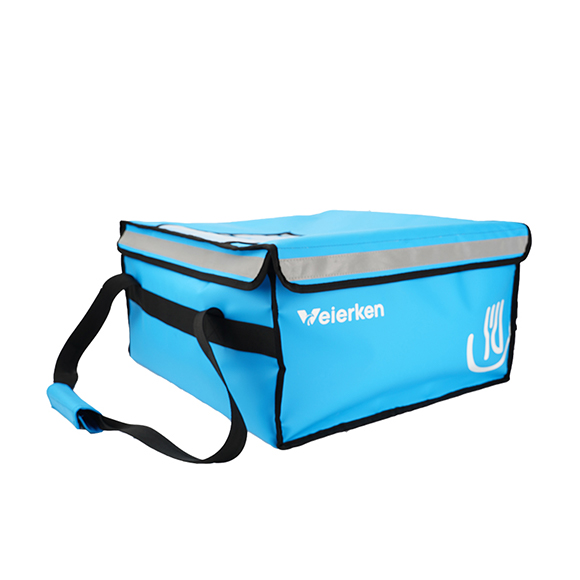
Standard vinyl or nylon insulated bags trap all steam exhausted from the individual takeout boxes. This creates a secondary greenhouse effect. Even if you use vented cardboard, the steam has nowhere to go once it enters a sealed nylon bag. The humidity spikes, and the food degrades rapidly. Engineered bags feature breathable side panels or moisture-wicking interior linings. Upgrading to a specialized delivery bag for fried food allows excess humidity to escape the main compartment while retaining the necessary core heat. This breathability is the defining factor in long-distance texture preservation.
Evaluate the operational benefits of heated delivery bags carefully. Active heating systems offer excellent temperature control, ensuring food arrives piping hot. However, active heat exacerbates steam production. If you apply continuous heat to a high-moisture item, it will generate vapor continuously. If the heated bag lacks proper exhaust vents, this added heat accelerates sogginess drastically. Passive retention relies on the food's thermal mass and the bag's insulation materials. For fried items, high-quality passive retention combined with breathability often yields better texture outcomes than unvented active heating.
Structural dividers within the delivery bag are mandatory for mixed orders. You must separate hot, crispy items from cold or wet items. Ambient moisture from cold salads or iced drinks will migrate toward the warmer compartments. Wet heat from soups or braised dishes will saturate the air. Dividers block this moisture transfer. They create distinct micro-climates within the bag. Always place fried items in the top compartment, as heat and steam rise. Placing them at the bottom guarantees they will absorb moisture from the items above them.
Even with perfect kitchen execution and premium packaging, extended transit times degrade texture. You must manage customer expectations and provide actionable solutions to salvage the experience at the dining table.
Acknowledge the physical limits of food delivery. A 45-minute transit will soften even the most resilient crust. Do not promise an identical experience to dining in the restaurant. Set realistic expectations through your menu descriptions and packaging inserts. Honesty builds trust. When customers understand the logistical challenges of transporting hot food, they are more forgiving of slight texture degradation.
Provide clear, actionable reheating instructions. Print these instructions directly on the packaging or apply a brightly colored branded sticker to the box. Empower the customer to restore the crunch themselves. A simple, direct message works best. For example: "Restore the crunch: 3 minutes in an air fryer at 400°F." If they lack an air fryer, offer an oven alternative: "Place on a wire rack in a 400°F oven for 5 minutes." Do not recommend microwave reheating under any circumstances, as microwaves heat the internal moisture and turn the crust to rubber.
Empowering the customer to easily revive their meal protects your brand reputation. A customer who spends three minutes crisping their fries is far less likely to leave a negative review. This proactive communication reduces refund requests and complaints. It shifts the narrative from a failed delivery to a collaborative effort to ensure a great meal. Customers appreciate the guidance and the practical solution provided by the restaurant.
Deploying a new packaging strategy across a busy operation introduces logistical challenges. You must anticipate these risks and build robust standard operating procedures to ensure consistent execution during peak volume.
Third-party delivery delays are inevitable. Drivers arrive late, get lost, or stack multiple orders. Pre-boxing food and letting it sweat on a counter ruins the product before it even leaves the building. You must implement strict holding SOPs. Hold fried items under dry-heat lamps on wire racks. Wait until the driver physically arrives at the counter before transferring the food to the vented box. This just-in-time packing protocol ensures you execute the exact protocols needed to keep fried food crispy delivery after delivery, regardless of driver delays.
Upgrading to vented corrugated containers and specialized transport gear requires an upfront investment. Operators often hesitate at the increased unit cost of premium packaging. You must frame this financial trade-off correctly. Compare the cost of the upgraded box against the cost of lost customer lifetime value. Poor quality leads to permanent customer churn. A single refunded order often costs more than a month's supply of premium boxes. High-quality packaging protects your brand reputation, secures repeat order volume, and ultimately drives higher profitability.
New packaging SOPs require strict enforcement on the line. Train your cooks and expediters thoroughly. Explain the physics behind the new rules so they understand the mechanics of moisture control.
Teach the line staff to never seal the bag completely when handing it to the driver.
Enforce the mandatory 60-second cool-down window during peak rushes.
Ensure expediters always separate wet sauces from crispy items in the bag.
Conduct random audits of packed orders before they hand them to drivers.
Post visual guides at the packing station detailing the exact box and liner combination for every fried item.
Keeping takeout items crunchy requires a holistic, end-to-end system. Batter chemistry, kitchen cooling protocols, packaging materials, and the final transport environment all play equal roles in moisture management. There is no single magic container that solves condensation entirely. You must attack the problem at every stage of the fulfillment process.
The critical path for operators involves four distinct phases. First, implement wire rack resting and a mandatory cool-down window to eliminate initial steam. Second, upgrade from plastic clamshells to vented corrugated boxes to manage ongoing moisture release. Third, invest in breathable transport gear to prevent the greenhouse effect during the last mile. Finally, add clear reheating instructions to empower the end consumer.
Take immediate action to protect your delivery margins:
Audit your current takeout packaging for proper ventilation and structural elevation.
Conduct a 30-minute closed-box stress test on your top-selling fried item to establish a baseline degradation metric.
Revise your batter formulation by incorporating high-amylose starches to improve humidity resistance.
Draft and print actionable air-fryer reheating instructions for all delivery orders.
Train your line staff on just-in-time packing protocols to mitigate driver delays.
A: Standard wheat-flour breading typically maintains its crunch for 15 to 20 minutes. By optimizing venting, utilizing wire-rack resting, incorporating high-amylose starches, and using breathable transport gear, operators can successfully extend this window to 30 or 45 minutes.
A: Yes. Ventilation allows trapped steam to escape, which prevents condensation from forming and dripping back onto the crust. However, holes must be sized correctly—large enough to vent steam rapidly but small enough to retain safe holding temperatures.
A: The ideal bag features breathable side panels or moisture-wicking interior linings. It must include structural dividers to separate wet, hot items from dry, crispy ones. This prevents cross-condensation and the destructive greenhouse effect during transit.
A: You should never fully seal the lid immediately after frying. Allow a brief cool-down window to let the initial massive wave of steam dissipate. When closing the lid for transport, ensure the container utilizes built-in vents to maintain continuous airflow.
A: Paper towels absorb surface oil but completely block airflow underneath the food. This traps steam directly against the bottom crust, creating immediate condensation and turning the breading mushy within seconds. Always use wire racks instead.
A: The most effective method is using an air fryer at 400°F for 3 to 4 minutes. Alternatively, placing the food on a wire cooling rack in a conventional oven at 400°F for 5 to 7 minutes will drive out absorbed moisture and restore the crunch.