
Views: 0 Author: Site Editor Publish Time: 2026-01-19 Origin: Site
Shipping perishable goods requires precise temperature control. Without it, products can spoil quickly.Cold packs and dry ice are two popular cooling options. In this article, we explore how each method affects your shipments.You'll learn how Weierken provide the best solutions for temperature control.
Cold packs are flexible bags filled with a gel-like substance that freezes at around 32°F (0°C). These packs are ideal for items that need to stay cool but not frozen. They are commonly used for shipping products such as fresh produce, dairy, and pharmaceuticals. Cold packs maintain a cool temperature for short to medium durations, usually between 6-12 hours. They are best suited for products that only require mild refrigeration and need to stay at temperatures above freezing.
Dry ice is the solid form of carbon dioxide, with a temperature of -109.3°F (-78.5°C). It is primarily used to keep products frozen during shipping, making it ideal for items like frozen meats, ice cream, and certain biological materials. Dry ice sublimates directly into gas without melting into a liquid, which makes it especially effective for long-distance or international shipments, as it keeps items at extremely low temperatures for extended periods.
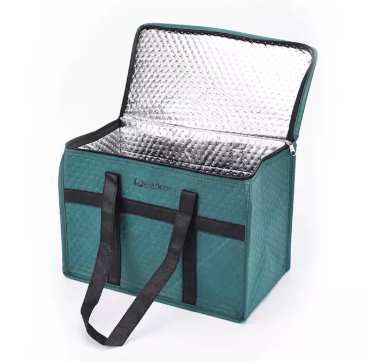
Cold packs are perfect for products that need to stay cool but do not require freezing. Items such as fresh fruits, vegetables, dairy products, and some medications need to be kept between 35°F and 45°F (2°C to 8°C) during transit. Cold packs maintain this ideal temperature range and are especially useful for shipments that require only a few hours of cooling.
Cold packs are simple to handle and pose minimal risks compared to dry ice. Dry ice can cause severe burns if mishandled, requiring extra safety precautions, while cold packs are non-toxic and easy to manage. This makes cold packs an excellent choice for businesses that want to simplify the shipping process and ensure the safety of those handling the shipments.
Cold packs are generally more affordable than dry ice, and because they are reusable, they provide long-term savings for businesses that need to ship perishable items regularly. Their reusability also makes them a more sustainable option, helping businesses reduce waste and cut down on shipping costs.
Dry ice is the best option for shipping frozen items. It helps keep products such as frozen meats, ice cream, and certain pharmaceuticals at their required subzero temperatures. Dry ice prevents thawing, which is critical for maintaining product integrity, especially during long-distance shipping.
Compared to cold packs, dry ice provides much longer cooling durations. It can maintain freezing temperatures for days, making it ideal for longer transit times. Cold packs typically last only a few hours, but dry ice can keep products frozen over an extended shipping period, making it a more reliable solution for long-distance or international shipments.
Dry ice is especially effective for shipments that travel long distances or cross international borders. It ensures that frozen products remain at the proper temperature throughout the journey, without the risk of thawing. For bulk shipments of frozen goods, dry ice offers a more efficient solution, maintaining a consistent low temperature without adding excessive weight or moisture. Dry ice is often the most reliable and cost-effective option for large shipments of frozen goods.
Pros | Cons |
Safe, non-toxic, and easy to handle | Limited cooling duration (up to 6 hours) |
Cost-effective and reusable | Can get wet if punctured |
Ideal for chilled, non-frozen items | Bulky and takes up space in the package |
Pros | Cons |
Extremely cold and lasts longer | Hazardous, requires careful handling |
Ideal for frozen goods | Can damage products if improperly packed |
No liquid residue after sublimation | Requires special labeling and packaging |
When choosing between cold packs and dry ice, it's essential to consider whether the product needs to stay chilled or frozen. For items like fresh fruits, dairy, and certain pharmaceuticals that only need to stay cool, cold packs are the best option. Cold packs are designed to keep products at a safe refrigerated temperature for short periods. However, if you're shipping products like meat, ice cream, or other frozen goods, dry ice is the more effective solution. Dry ice maintains much lower temperatures, ensuring that frozen goods stay at the ideal subzero temperature.
The duration of the shipment also plays a crucial role in determining the best cooling method. For short-term shipments, such as local deliveries or overnight shipping, cold packs are typically sufficient. They are ideal for maintaining cool temperatures for up to 12 hours. However, for longer shipments, particularly those that span multiple days or involve international transport, dry ice is the better choice. Dry ice lasts much longer than cold packs and keeps products frozen over extended periods, ensuring the quality of the goods is maintained throughout the transit.
Some shipping carriers have strict regulations for handling dry ice, especially for international shipments. Dry ice requires special packaging and labeling, and there are often restrictions on how much can be used in a shipment. Therefore, it is crucial to check the destination country's regulations before choosing to ship with dry ice. On the other hand, cold packs are generally less regulated, easier to handle, and do not require the same level of care as dry ice. This makes cold packs a more flexible and hassle-free option for domestic shipments or when you're unsure about dry ice regulations at the destination.
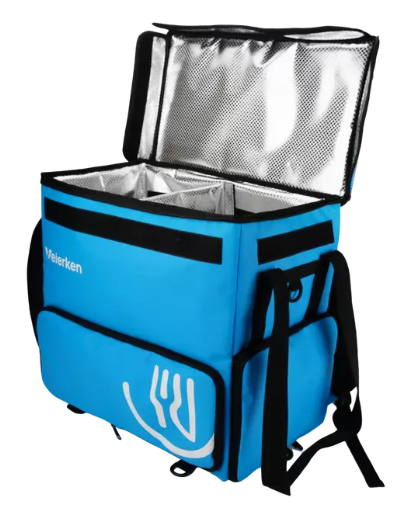
In some instances, it might be beneficial to combine cold packs and dry ice. For example, if you are shipping a package that contains both frozen and chilled items, combining both cooling methods can help achieve optimal temperature control. Dry ice can maintain the necessary frozen temperature for items like meat or ice cream, while cold packs can keep the other items chilled, such as dairy or fresh produce. This approach ensures that each item stays within its required temperature range.
When using both cold packs and dry ice, it is important to properly organize the package. Place the dry ice around the frozen products, ensuring that it surrounds them completely to maintain the freezing temperature. Cold packs should be placed around the chilled items to maintain their ideal temperature. By organizing the shipment in this way, you can create distinct temperature zones within the same box, ensuring that each type of product is stored under optimal conditions.
Cold packs are often reusable, which reduces waste and makes them a more eco-friendly option. However, it is important to be mindful of the materials used in cold packs. Some cold packs are made with non-biodegradable materials, which can contribute to environmental pollution. To reduce their impact, choose cold packs made from recyclable or non-toxic materials. This ensures that you're making a more sustainable choice for your business while still keeping your products cool during transit.
Dry ice, being a natural product, sublimates directly into carbon dioxide gas, leaving no residue behind. However, the production and transportation of dry ice can contribute to carbon emissions, which may have a significant environmental impact. While dry ice is highly effective for temperature control, especially in long-distance shipping, businesses should consider the carbon footprint involved in its production and transportation. For companies focused on sustainability, it's important to weigh the benefits of dry ice with its environmental impact and consider alternatives like eco-friendly cold packs or other solutions where possible.
Cold packs are relatively safe to handle compared to dry ice. However, if a cold pack becomes punctured, it can leak its contents, which may cause damage to the surrounding packaging or products. This can compromise the integrity of your shipment. Always handle cold packs carefully, ensuring they are securely sealed and placed in the packaging without the risk of leakage. Proper handling reduces the chances of mishaps during shipping.
Dry ice poses more significant handling risks due to its extreme cold temperature. If mishandled, it can cause severe frostbite or burns. Always wear insulated gloves when handling dry ice to avoid direct contact. Additionally, dry ice must be stored in well-ventilated containers, as it sublimates into carbon dioxide gas, which can displace oxygen in confined spaces and create a suffocation hazard. Proper labeling is essential to indicate the presence of dry ice and ensure safe handling during transit. Always follow safety protocols to avoid accidents and ensure the safe arrival of your products.
Cold packs are generally more affordable than dry ice, particularly because they are reusable. Dry ice, on the other hand, is typically a one-time-use product and can add to shipping costs, especially for long-distance or international shipments. For businesses that frequently ship perishable goods, cold packs may be the more economical choice in the long run.
For businesses with high-volume shipping, cold packs may offer better cost savings because of their reusability. However, if the primary need is to keep products frozen for extended periods, dry ice is essential, even if it comes at a higher cost.
Choosing between cold packs and dry ice depends on the type of product, shipping duration, and destination regulations. Cold packs are perfect for short-term chilled shipments, while dry ice is essential for frozen items over long distances. Understanding each method's benefits ensures your goods reach their destination safely.
Weierken offer excellent thermal protection and durability, making them an ideal solution for both cold packs and dry ice. These bags keep products at the right temperature, ensuring safe and efficient transport.
A: Cold packs are ideal for chilled products that need to stay cool for a few hours, while dry ice is best for frozen goods, keeping them at subzero temperatures for longer periods during long-distance shipments.
A: Cold packs typically keep products cool for up to 6-12 hours. They are perfect for short-term shipping of chilled items like dairy, fresh produce, or medicines.
A: Dry ice maintains much lower temperatures than cold packs, making it ideal for keeping frozen goods, such as meat and ice cream, at the right temperature during longer shipments.
A: Yes, Weierken's Insulated Food Delivery Bags are designed to work efficiently with both cold packs and dry ice, ensuring your products stay at the ideal temperature during shipping.


