
Views: 0 Author: Site Editor Publish Time: 2026-06-24 Origin: Site
Have you ever wondered how food delivery services keep your meals fresh and hot? The right food delivery bag is essential for ensuring quality. In this article, we’ll explore the importance of food delivery bags and the various types available. You’ll learn how to choose the perfect size for your needs.
When it comes to food delivery, choosing the right bag size is crucial. Here are the standard sizes you’ll commonly encounter:
Small Bags: Generally around 12" x 12" x 10". Ideal for one or two meals, like a burger combo or sushi rolls. These bags help keep food warm and prevent spills with their compartmentalized design.
Medium Bags: Typically about 16" x 16" x 12". Suitable for three to four meals, perfect for family orders. Many medium bags feature a "tower" design with wire frames to keep food organized and upright.
Large Bags: Usually around 20" x 20" x 14". Best for catering or bulk deliveries. These bags can hold trays and multiple containers, making them essential for large orders like office lunches or party platters.
Specialty Bags: Some deliveries require specific types of bags. For example, pizza delivery bags are designed to hold multiple pizza boxes while maintaining heat and preventing sogginess.
Selecting the right size involves considering several factors:
Evaluate Delivery Volume: Look at how many meals you typically deliver at once. If you often deliver single meals, a small bag is sufficient. For family meals or catering, opt for medium or large bags.
Consider Food Types: Different foods require different handling. Hot meals need insulated bags to maintain temperature, while wet foods require leak-proof compartments. If you're delivering mixed orders, choose bags with dividers to keep hot and cold items separate.
Distance and Time Factors: Longer delivery distances require bags with better insulation. If you frequently deliver across town, invest in bags that maintain temperature longer, such as insulated or heated bags.
Customer Experience: A well-sized bag ensures that food arrives in good condition. A too-small bag may crush food, while a bag that’s too large can lead to shifting and cooling. Happy customers are likely to order again, so invest in the right bag size.
Flexibility for Unexpected Orders: Consider having a range of bag sizes available. This way, you're prepared for both small and large orders without compromising food quality.
Choosing the right food delivery bag size is not just about convenience; it directly impacts food safety, customer satisfaction, and your business's reputation. By evaluating your delivery volume, food types, and distance factors, you can select the best bag for every order.
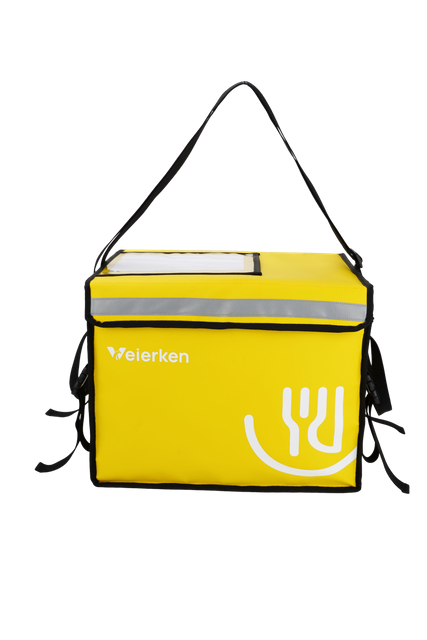
When it comes to food delivery, selecting a high-quality bag is essential for ensuring that meals arrive in perfect condition. Here are the key features to consider when choosing a food delivery bag:
One of the most critical aspects of a food delivery bag is its insulation. Proper insulation helps maintain the ideal temperature of the food, whether hot or cold. Here are some important points to keep in mind:
Material Matters: Look for bags made with thick insulation materials such as foam or reflective lining. These materials trap heat or cold effectively, ensuring that food stays fresh during transit.
Temperature Maintenance: A well-insulated bag can keep food hot for up to 30 minutes or longer, depending on the design. This is crucial for items like soups, pizzas, and other hot meals.
Ventilation Features: Some bags come with small vents to allow steam to escape. This is particularly useful for pizza delivery, as it prevents crusts from becoming soggy.
Durability is vital for food delivery bags, especially for those who deliver frequently. A sturdy bag withstands the rigors of daily use and protects food effectively. Consider these factors:
Material Strength: Choose bags made from heavy-duty, tear-resistant fabrics like nylon or polyester. These materials resist wear and tear from regular handling.
Reinforced Seams: Ensure that the bag has reinforced stitching. This prevents rips and extends the bag's lifespan, making it a worthwhile investment.
Waterproof Features: A waterproof exterior protects the contents from rain or spills, keeping food safe and secure during transit.
Hygiene is crucial in the food delivery industry. A good delivery bag should be easy to clean to maintain food safety. Here are some cleaning tips:
Removable Liners: Bags with removable liners allow for easy cleaning. You can simply take them out and wash them separately.
Wipeable Interiors: Look for bags made from materials that can be wiped down easily. This helps remove spills and stains quickly, maintaining hygiene.
Regular Maintenance: Establish a cleaning routine after each delivery. This includes wiping down the interior and airing out the bag to prevent odors.
| Feature | Importance |
|---|---|
| Insulation | Maintains food temperature for optimal quality |
| Durability | Ensures the bag can withstand frequent use |
| Ease of Cleaning | Keeps hygiene standards high, preventing contamination |
Investing in a quality food delivery bag with these features not only enhances customer satisfaction but also boosts your business's reputation. A well-chosen bag ensures that every meal arrives in excellent condition, making customers more likely to reorder.
When it comes to food delivery, the type of bag you use can make a significant difference in the quality of service you provide. Different types of food delivery bags are designed for specific needs, ensuring that food remains fresh, hot, or cold during transit. Here’s a breakdown of the most common types of food delivery bags and their unique features.
Pizza delivery bags are specially designed to accommodate flat pizza boxes. These bags are typically wide and shallow, allowing for easy stacking and minimal movement of the pizzas during transport. Insulation is crucial in these bags, as it helps keep pizzas hot and maintains the crispness of the crust. Many pizza bags also feature vents to allow steam to escape, preventing sogginess.
Best For: Pizzerias, delivery bikes, and high-volume pizza orders.
Beverage delivery bags are tall and equipped with cup or bottle holders to prevent drinks from tipping over. They are ideal for delivering hot beverages like coffee, iced drinks, or smoothies. These bags are designed to be leak-proof, ensuring that spills do not occur during delivery. Some even come with elastic cup holders or hooks for added convenience.
Best For: Cafes and catering services that include beverages.
Thermal delivery bags are versatile and can handle both hot and cold items. They are typically more expensive but are worth the investment if you deliver mixed orders, such as hot meals and cold desserts. These bags are especially useful in hot climates or for long-distance deliveries, ensuring food integrity throughout the journey.
Best For: Mixed food deliveries, especially in varying temperature conditions.
Stackable delivery bags are designed for high-volume deliveries, allowing multiple containers or trays to be stacked safely. These bags prevent items from shifting and crashing into each other during transport. They are particularly beneficial for catering companies or restaurants handling bulk orders.
Best For: Catering companies and businesses taking multiple orders at once.
Grocery delivery bags are tailored for transporting groceries, pantry items, and chilled goods. They often have deeper capacities and versatile compartments for different types of items. Insulation is still important for keeping produce and frozen items at the right temperature.
Best For: Grocery stores and online grocery services.
When selecting a food delivery bag, consider these essential features:
Insulation: Ensure the bag has thermal linings to maintain the right temperature for hot and cold items.
Durable Materials: Look for heavy-duty fabrics and reinforced stitching to withstand regular use.
Structured Design: A bag that maintains its shape will protect food better during transit.
Easy to Clean: Choose bags with wipeable interiors or removable liners for quick cleaning.
Good Closure System: Strong zippers or Velcro closures help secure the contents.
Visibility & Safety: Reflective materials or branding can enhance safety during night deliveries.
Choosing the right type of food delivery bag tailored to your specific needs will help you maintain food quality, improve customer satisfaction, and enhance your overall delivery service.
When selecting the right food delivery bag, understanding your delivery needs is essential. This section will guide you through evaluating various factors to ensure you choose the most suitable bag for your business.
Start by assessing how many meals you typically deliver in one trip. If you frequently handle single orders, a small bag (around 12" x 12" x 10") will suffice. For family orders or small group deliveries, a medium bag (approximately 16" x 16" x 12") is ideal. If your business involves catering or bulk deliveries, invest in a large bag (around 20" x 20" x 14") to accommodate multiple containers without compromising the food's quality.
Different food types require different handling. For example:
Hot Meals: These need insulated bags to maintain temperature. Look for bags with thick insulation to keep items like soups and pizzas warm.
Cold Foods: Salads and cold drinks require bags that can keep them cool. Some bags come with cooling packs or special linings to ensure freshness.
Wet Foods: Items like soups or sauces need leak-proof compartments to prevent spills. Choose bags designed with dividers or sealed edges.
Dry Foods: Pastries and bread benefit from breathable materials to prevent moisture buildup.
By matching the bag features to the food types you deliver, you can ensure that everything arrives in perfect condition.
Consider the distance and time involved in your deliveries. If you deliver short distances, a basic insulated bag might work. However, for longer trips, you’ll need a bag with superior insulation that can keep food at the right temperature longer.
Ask yourself:
How far do you travel for deliveries?
How long does food stay in the bag?
Do you need extra insulation for longer trips?
If you often deliver during peak hours or in adverse weather conditions, opt for bags that provide additional protection against outside temperatures.
A well-sized bag not only keeps food safe but also enhances the customer experience. Customers expect their meals to arrive intact and at the right temperature. A too-small bag can crush food, while an oversized bag may cause items to shift, leading to spills. Happy customers are more likely to reorder, so investing in the right bag size is crucial for building a positive reputation.
Finally, consider having a variety of bag sizes on hand. This allows you to accommodate both small and large orders without compromising food quality. Flexibility is key in the food delivery business, especially when dealing with unexpected requests.
By evaluating these factors—delivery volume, food types, distance, customer experience, and flexibility—you can select the best food delivery bag for your needs. This thoughtful approach ensures every delivery meets your customers' expectations and keeps your business running smoothly.
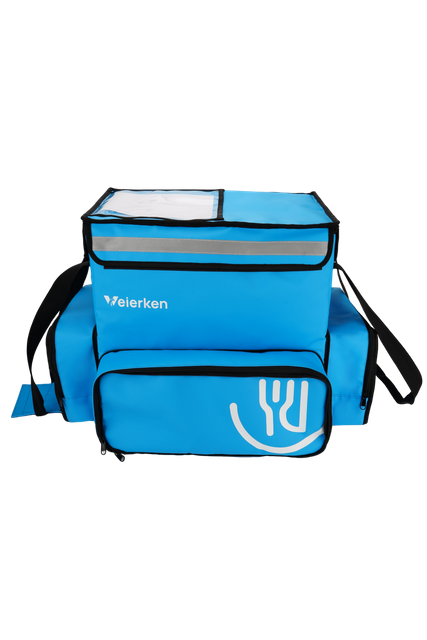
When it comes to food delivery, having the right bag is essential, but customizing your delivery bags can take your service to the next level. Custom food delivery bags not only enhance your brand visibility but also cater to your specific delivery needs. Here’s why customization is important and how you can make the most of it.
Brand Recognition: Custom bags featuring your logo and colors help establish your brand identity. Every delivery becomes an opportunity for advertising, making your business memorable. Customers are more likely to remember a delivery that arrives in a branded bag, which can lead to repeat business.
Professional Appearance: A custom delivery bag looks professional and shows that you care about your service. It reflects your commitment to quality, making customers feel more confident in your brand. A well-designed bag can make a strong first impression, encouraging positive word-of-mouth.
Tailored Features: Custom bags can be designed to meet your specific needs. Whether you require extra insulation for hot meals, compartments for separating food items, or waterproof materials, customization allows you to create bags that fit your delivery style perfectly.
Increased Customer Satisfaction: When customers receive their orders in well-designed, functional bags, it enhances their overall experience. Custom bags can help ensure that food arrives in excellent condition, leading to happier customers and better reviews.
When considering branding for your custom food delivery bags, think about the following options:
Logos and Colors: Use your business logo and brand colors prominently. This helps reinforce your brand identity and makes your bags easily recognizable.
Slogans or Taglines: Including a catchy slogan or tagline can make your bags more engaging. It’s a great way to communicate your brand values or unique selling points.
QR Codes: Adding QR codes can encourage customers to engage further with your brand. They can link to your website, menu, or special promotions, creating a seamless customer experience.
Seasonal Designs: Consider changing your bag designs for holidays or special promotions. This keeps your branding fresh and exciting, encouraging customers to look out for your deliveries.
Selecting the right materials for your custom food delivery bags is crucial for both functionality and durability. Here are some popular options:
Foam Insulation: Ideal for maintaining temperature, foam insulation keeps hot food hot and cold food cold. It’s lightweight and effective for everyday deliveries.
Reflective Insulation: This material helps retain heat while also providing branding opportunities. It’s perfect for longer deliveries where temperature control is essential.
Waterproof Fabrics: Choosing waterproof materials protects your bags from spills and weather conditions. This is especially important for deliveries in rainy or humid environments.
Eco-Friendly Options: Consider using sustainable materials to appeal to environmentally conscious customers. Eco-friendly bags can enhance your brand image and show your commitment to sustainability.
When it comes to food delivery, using the right bag is crucial for maintaining food quality and ensuring customer satisfaction. However, how you handle and care for these bags can significantly impact their effectiveness. Here are some best practices to follow.
Load Carefully: When packing your delivery bag, place heavier items at the bottom. This helps maintain stability and prevents lighter items from being crushed. Use compartments or dividers whenever possible to keep meals organized.
Avoid Overloading: Each bag has a weight limit. Overloading can strain the bag’s seams and zippers, leading to damage. Stick to the recommended capacity to ensure durability and safety.
Use Proper Techniques: When lifting or carrying the bag, use your legs to lift rather than your back. This reduces the risk of injury and helps you manage heavy loads more effectively.
Secure Closures: Always check that zippers or Velcro closures are secure before heading out. This prevents spillage and keeps food safe during transit.
Regular Cleaning: After each delivery, clean the interior of your bag. Wipe down surfaces with disinfectant wipes or a mild soap solution to remove any food residues or spills. This helps maintain hygiene and prevents bacteria buildup.
Air Out the Bag: After cleaning, leave the bag open to air out. This prevents moisture from getting trapped inside, which can lead to odors and mold.
Check for Damage: Regularly inspect your bags for any signs of wear and tear, such as frayed seams or broken zippers. Address any issues immediately to ensure food safety. If a bag is damaged, it may not insulate properly, leading to temperature control issues.
Use Removable Liners: If your bag has removable liners, take them out and wash them separately. This makes cleaning easier and maintains hygiene standards.
Routine Checks: Make it a habit to inspect your bags at the start of each day. Look for any visible damage, such as rips or stains. If you find any issues, consider replacing the bag before it affects your deliveries.
Follow Manufacturer Instructions: Each bag may have specific care instructions. Always refer to the manufacturer's guidelines for cleaning and maintenance to prolong the life of your bags.
Store Properly: When not in use, store your bags in a cool, dry place. Avoid crumpling or folding them tightly, as this can affect their shape and insulation properties.
By following these best practices, you can ensure that your food delivery bags perform optimally, keeping food safe and fresh, while also enhancing your brand's reputation.
Tip: Always carry a spare bag to handle unexpected orders or emergencies. This ensures you're prepared and can maintain quality service at all times.
Choosing the right food delivery bag is essential for maintaining food quality and customer satisfaction. Understanding standard sizes—small, medium, large, and specialty bags—helps you select the best option for your needs. Consider factors such as delivery volume, food types, and distance when making your choice. Investing in quality bags can enhance your brand's reputation. Weierken offers a range of durable, insulated food delivery bags that ensure your deliveries arrive in perfect condition, providing excellent value for your business.
A: Food delivery bags are specialized containers designed to transport meals safely while maintaining their temperature and preventing spills.
A: To choose the right size food delivery bag, consider your delivery volume, food types, and distance to ensure food arrives in good condition.
A: Insulated food delivery bags are important because they help maintain the temperature of hot or cold food, ensuring quality upon arrival.
A: The cost of food delivery bags varies based on size and features, typically ranging from $10 to $100 or more for high-quality options.
A: Clean your food delivery bags by wiping down the interiors after each use and washing removable liners to maintain hygiene.


