
Views: 0 Author: Site Editor Publish Time: 2026-01-19 Origin: Site
Shipping meat can be challenging due to temperature control. Without proper care, meat can spoil quickly.This guide will cover the best practices for shipping meat. You'll learn how Weierken's Insulated Food Delivery Bags ensure safe and cost-effective shipments.
Meat is highly perishable and can spoil quickly when exposed to temperatures above 40°F. At these higher temperatures, bacteria multiply rapidly, leading to spoilage and posing serious health risks. This is why maintaining the right temperature during shipping is essential. For fresh meat, keeping it chilled below 40°F helps preserve its texture, flavor, and safety.
For frozen meat, it's even more important to maintain temperatures well below 32°F to keep the product in a frozen state. If the temperature fluctuates during transport, the quality of the meat deteriorates, and it could even become unsafe for consumption. Ensuring consistent temperature control throughout the shipping process is vital to prevent spoilage and bacterial growth.
Not all meats require the same temperature during shipping. Each type has unique temperature needs depending on whether it is fresh or frozen. Here's a quick breakdown of how different types of meat should be handled:
● Fresh Meat: Should be kept chilled at a temperature between 32°F and 40°F. This includes products like steaks, pork cuts, and poultry, all of which are highly sensitive to temperature changes.
● Frozen Meat: Must remain frozen at or below 0°F. This includes items like frozen chicken breasts, beef patties, or pre-packaged meat cuts. If the temperature rises above freezing, the quality of the meat deteriorates, and there is a risk of bacterial growth.
Type of Meat | Ideal Temperature for Shipping |
Fresh Meat | Between 32°F and 40°F |
Frozen Meat | Below 32°F |
Understanding the specific temperature requirements for each type of meat is essential in selecting the right refrigeration method and insulated packaging.
Weierken's Insulated Bags are designed with multi-layered insulation that ensures superior thermal protection. These high-quality bags provide an effective barrier against heat, maintaining the internal temperature of the meat during transit, even in hot or fluctuating environmental conditions. The bag's construction helps to reduce the risk of temperature variations that could compromise the meat's freshness.
Insulated bags offer a reliable, cost-effective solution compared to other packaging methods such as foam boxes or cardboard containers, which tend to have lower thermal retention capabilities.
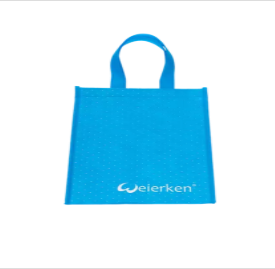
When choosing the right insulated delivery bags, several key features should be prioritized:
1. Superior Thermal Retention: Insulated bags should be able to maintain the desired temperature for an extended period, especially if the shipment takes several hours or days. Weierken Insulated Bags have high-performance insulation that guarantees meat stays chilled or frozen during long shipments.
2. Durability: Meat shipments can be rough, especially when they go through multiple stops. High-quality insulated bags should have reinforced seams and sturdy zippers to prevent leaks and damage during handling.
3. Capacity: The size of the delivery bag should be adequate to hold the meat securely, with enough room to accommodate ice packs or dry ice.
4. Eco-Friendly Materials: Sustainable options are important in today's market. Weierken's Insulated Food Delivery Bags are made from recyclable, high-quality materials that are reusable and durable, offering an environmentally responsible packaging solution.
Not every shipment is the same. Whether you're shipping small packages of meat or large bulk orders, Weierken offers customizable sizes and features for its insulated bags. This makes it easier to pack your products securely and ensure the right temperature is maintained.
Customization options are especially useful for businesses that need specific sizes to fit various cuts of meat or shipping containers. You can also personalize the bags with your company's logo, which helps enhance brand recognition during transit.
Many businesses still rely on traditional packaging methods such as foam boxes or Styrofoam coolers. However, these methods come with several drawbacks when compared to modern insulated bags.
Feature | Weierken Insulated Bags | Traditional Packaging (Foam Boxes) |
Thermal Retention | Excellent | Moderate |
Durability | High | Low to Moderate |
Customization Options | Available | Limited |
Ease of Handling | Lightweight & Portable | Bulky and Hard to Handle |
Weierken Insulated Bags offer superior performance in terms of insulation, handling, and long-term durability. They provide a far more reliable and environmentally friendly solution than foam boxes, which are difficult to dispose of and provide limited insulation.
Dry ice is the most common refrigerant used when shipping frozen meat. It can maintain a temperature well below freezing for extended periods, making it ideal for long-distance shipments of frozen meat. However, dry ice requires special handling due to its sublimation into gas. Proper ventilation and packaging are necessary to ensure safety during transport.
For shipments requiring chilled, but not frozen, temperatures, gel packs are an excellent choice. These packs are easier to handle than dry ice and are ideal for short-distance deliveries or meat that doesn't need to remain frozen. Weierken Insulated Bags work seamlessly with gel packs, providing a balanced solution for keeping meat at temperatures just above freezing.
The amount of refrigerants required for each shipment depends on factors such as the weight and volume of the meat, the insulation capacity of the bags, and the expected duration of the shipment. Weierken Insulated Bags are designed to optimize refrigerant use by offering excellent insulation that works in conjunction with the right amount of dry ice or gel packs.
Refrigerant Type | Best For | Duration of Effect |
Dry Ice | Frozen Meat | 1-2 Days |
Gel Packs | Chilled Meat | 6-12 Hours |
Before packing, it's important to prepare the meat correctly. Vacuum-sealing is the most effective way to preserve the freshness of meat. It prevents freezer burn, locks in moisture, and helps maintain the meat's texture. The vacuum-sealed packaging protects the meat from exposure to air, keeping it fresh for longer periods during transit.
Once the meat is vacuum-sealed, carefully place it inside an insulated food delivery bag. Make sure the meat is surrounded by the appropriate refrigerants, such as gel packs or dry ice, to keep the temperature low. Seal the bag properly to prevent any air leakage. Air inside the bag could cause fluctuations in temperature, which may lead to spoilage or thawing of the meat.
After packing the meat and refrigerants into the insulated bag, place it inside a sturdy outer box for added protection. This step ensures the bag is shielded from external forces during transportation. Don't forget to label the package with clear tags such as "Perishable" and "Keep Frozen" to guide handlers and prevent any delays or mishandling during transit.
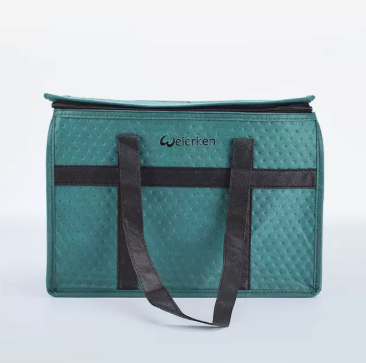
Since meat products are sensitive to temperature changes, the quicker they reach their destination, the better. Always opt for expedited shipping methods such as overnight or two-day shipping. These options minimize exposure to fluctuating temperatures, reducing the risk of spoilage and ensuring the meat arrives in optimal condition.
Shipping meat involves more than just proper packaging. Food products, including meat, must meet specific shipping regulations, especially when crossing state or international borders. Proper labeling is crucial for compliance. Labels like "Perishable" and "Dry Ice" ensure that the meat is handled with care and that all necessary precautions are followed during transport.
While it's important to prioritize speed and temperature control, it's also essential to manage shipping costs. Look for cost-effective shipping options that balance price with efficiency. Bulk shipping services or partnering with logistics providers who specialize in temperature-controlled deliveries can help reduce overall shipping expenses while ensuring that the meat remains at the right temperature.
If meat arrives warmer than the safe temperature range, it could indicate that it was exposed to unsafe temperatures for too long during transit. Upon arrival, immediately check the internal temperature of the meat. If it exceeds the recommended safety threshold, the meat may no longer be safe to consume. In this case, discard the product. To prevent this issue in future shipments, ensure the proper use of insulated bags and refrigerants.
Sometimes, the packaging can be damaged during transport. If this happens, inspect the meat carefully for any signs of spoilage, such as off smells or discoloration. To prevent such problems, always use durable and high-quality packaging materials. Insulated bags designed to withstand rough handling will help ensure that the meat arrives safely and in good condition. These bags should be able to withstand external pressures and protect the contents from extreme temperature changes.
Shipping meat requires careful planning, proper insulated bags, and effective temperature management. Weierken's Insulated Food Delivery Bags offer excellent thermal protection, durability, and flexibility, making them the ideal choice for meat shipping. Whether shipping fresh or frozen meat, Weierken's solutions ensure that products arrive safely and in optimal condition. By following the tips in this guide, you can ensure reliable, cost-effective meat shipping while protecting your product's quality.
A: Temperature control is crucial to prevent spoilage and bacterial growth. Weierken's Insulated Food Delivery Bags help maintain the ideal temperature for safe shipping.
A: Using Weierken's Insulated Food Delivery Bags along with dry ice or gel packs ensures that meat stays at the right temperature during transit.
A: These bags offer superior thermal protection, durability, and are designed to keep meat fresh or frozen during shipping, whether short or long distances.
A: For frozen meat, use dry ice with Weierken Insulated Bags. For chilled meat, gel packs are a great option to maintain temperatures just above freezing.


