
Views: 0 Author: Site Editor Publish Time: 2026-01-19 Origin: Site
Shipping ice cream is tricky due to its temperature sensitivity. It must stay frozen to maintain texture and flavor. Improper handling can lead to melting and poor quality.
In this article, we'll discuss challenges and tips for shipping ice cream. Learn how Weierken's solutions help keep your frozen products safe.
Ice cream, known for its temperature sensitivity, requires careful handling to prevent melting and degradation during transit.
Ice cream must be shipped and stored below -20°F (-29°C) to retain its ideal texture. Even the slightest exposure to warmer temperatures can cause it to melt, which leads to a poor texture and taste once it refreezes. Proper insulation and cooling agents are crucial to preserving ice cream during delivery.
Long-distance shipping presents an added layer of difficulty, especially as the transit time increases. For longer shipments, insulated containers like those from Weierken are essential. These bags offer superior thermal retention, keeping ice cream frozen for extended periods. Their multi-layer foam and foil construction make them an excellent choice for shipping ice cream, whether for local or long-distance deliveries.
One of the most significant risks when shipping ice cream is the melting and refreezing process. Once melted, ice cream loses its original texture and flavor. This is why minimizing shipping time and using effective cooling agents like dry ice is essential to prevent any thawing during transit.
Challenge | Solution |
Temperature Sensitivity | Use high-performance insulated bags and dry ice. |
Long-Distance Shipping | Opt for EPS foam coolers or VIP boxes. |
Melting and Refreezing | Minimize transit time and use dry ice for extended cooling. |
Tip: Use Weierken's insulated food delivery bags to keep your products cold for up to 4 hours, ensuring a high-quality delivery experience even on longer shipments.
For local deliveries or short distances, food delivery bags can be a cost-effective and reliable solution. However, even for local deliveries, maintaining the proper temperature is essential.
When delivering ice cream locally, food delivery bags like those from Weierken can help keep ice cream frozen for up to 6 hours. Their high-performance insulation technology ensures that frozen treats remain at the perfect temperature during the last leg of the delivery journey.
Before packing ice cream, pre-chilling the food delivery bags is a simple yet effective method to enhance insulation performance. Storing the bags in a freezer or filling them with gel packs will ensure they are already at the desired temperature when you pack your ice cream, providing an extra layer of protection against temperature fluctuations.
Properly sealing the delivery bags to prevent any warm air from entering is crucial for maintaining the cold temperature inside. Ensure that the ice cream is securely packed, with minimal empty space in the bag. This reduces the risk of temperature fluctuations and keeps the ice cream frozen for longer periods.
Tip for Local Delivery | Action |
Pre-chill the delivery bag | Store bags in a freezer or use gel packs. |
Secure packaging | Use minimal space in the bag to prevent temperature changes. |
Seal tightly | Ensure bags are tightly sealed to prevent warm air entry. |
Shipping ice cream over long distances presents additional challenges, such as extended transit times. To address these, advanced packaging methods are required.
For longer shipments, insulated containers such as EPS foam coolers or Weierken's high-performance delivery bags are key. These insulated options provide excellent thermal protection and keep the ice cream frozen over extended shipping times. Insulated containers help prevent the rapid heat transfer that can compromise the quality of the ice cream.
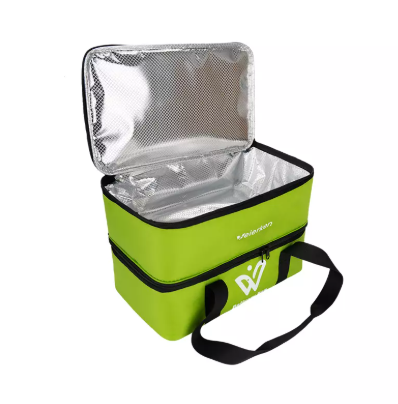
Dry ice is the most effective coolant for shipping ice cream, especially for longer distances. Unlike gel packs, which may not keep the ice cream cold for extended periods, dry ice keeps the product frozen by sublimating into gas, thus eliminating the risk of water damage. It is essential to calculate the right amount of dry ice based on the shipping duration and ice cream quantity.
For optimal temperature control, place dry ice above and around the ice cream. Ensure that the dry ice is properly packed in leak-proof, insulated containers to prevent leakage or exposure to warm air. A proper dry ice-to-ice cream ratio, such as 1:1 for 1–2 day shipping, ensures the ice cream remains frozen throughout transit.
Dry Ice Calculation | 1-2 Day Shipping | 2-3 Day Shipping |
Ice Cream (lbs) | 4 lbs | 4 lbs |
Dry Ice (lbs) | 4 lbs | 6 lbs |
Maintaining the right temperature during transit is crucial to ensuring your ice cream reaches its destination in perfect condition.
Choose a carrier that specializes in shipping perishable goods like ice cream. Carriers such as FedEx, UPS, and DHL offer specialized services for temperature-sensitive shipments. Always opt for express shipping to minimize transit time and ensure the ice cream remains frozen upon delivery.
It is best to ship ice cream early in the week to avoid weekend delays that may result in the product sitting in a warehouse. Use overnight or two-day shipping services for domestic orders to ensure timely delivery. For international shipments, choose services that offer temperature-controlled shipping with real-time tracking.
Tip: Weierken's Food Delivery Bags come with reinforced handles and durable zippers, ensuring that your ice cream remains securely packed and stays cold during the shipping process.
Ice cream is fragile, and any mishandling can result in melting or packaging damage. It's essential to protect your ice cream during transit.
Shifting inside the packaging can expose the ice cream to warm air, leading to melting. To prevent this, use cushioning materials such as bubble wrap or foam inserts to secure the ice cream in place. Weierken's insulated delivery bags offer secure compartments to keep your product intact throughout the shipping process.
Clearly label your packages with "Perishable" and "Keep Frozen" stickers to alert handlers of the sensitive nature of the shipment. Additionally, if using dry ice, ensure that the package is properly marked with dry ice warning labels. Proper labeling ensures that the ice cream is handled with the necessary care during transit.
Shipping ice cream can be expensive, especially when using premium packaging and expedited shipping services. However, there are ways to optimize costs without compromising on quality.
The costs associated with using high-performance coolers, dry ice, and express shipping can add up. To keep expenses manageable, consider purchasing packaging materials in bulk or partnering with third-party logistics providers who offer discounted rates for bulk orders.
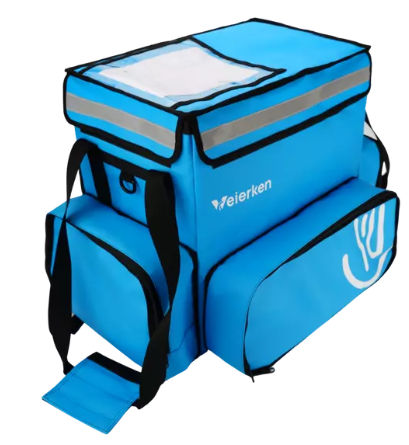
For small businesses, insulated food delivery bags like those from Weierken are an excellent solution for local deliveries. These bags are cost-effective, lightweight, and provide the necessary insulation to ensure your ice cream stays frozen during short-distance deliveries.
When shipping ice cream internationally, additional challenges such as customs regulations and temperature-controlled shipping services need to be taken into account.
International shipments of ice cream require compliance with destination country customs regulations. Ensure that all necessary paperwork, including temperature-controlled shipping documentation, is prepared ahead of time to avoid delays.
International carriers like FedEx International Priority offer fast, tracked shipping services with temperature control, ensuring that ice cream reaches its destination without compromising its quality.
Incorporating technology into the shipping process can greatly enhance the reliability and efficiency of ice cream delivery.
Using temperature loggers helps track the temperature of the shipment in real-time. This ensures that the ice cream stays within the required temperature range throughout the entire delivery process.
Setting up automated alerts can notify customers about the status of their ice cream delivery. This not only helps keep customers informed but also ensures that the product is received promptly, minimizing the time it spends at room temperature.
Shipping ice cream requires more than just packing. Proper packaging, cooling agents, and shipping methods are essential. Using high-performance solutions like Weierken ensures your ice cream arrives frozen and fresh. Weierken's insulated bags offer excellent thermal protection, keeping frozen products intact during delivery.
Tip: Whether shipping locally or internationally, choose insulated delivery bags and containers that provide superior thermal protection and durability to guarantee the best shipping experience for your customers.
A: Shipping ice cream requires keeping it frozen during transit. Temperature fluctuations can cause it to melt, affecting its texture and quality. Using insulated bags like Weierken helps maintain the right temperature for longer deliveries.
A: Use Weierken or similar insulated containers to maintain temperature. Additionally, dry ice or gel packs help preserve the frozen state of the ice cream, especially for long-distance shipping.
A: Dry ice is preferred for long-distance ice cream shipments because it stays colder for longer and sublimates into gas without creating moisture. This prevents melting and preserves the texture of the ice cream.
A: Weierken are designed with multi-layer thermal insulation, which keeps ice cream frozen for hours. Their durable construction makes them ideal for both local and long-distance deliveries.


