
Views: 0 Author: Site Editor Publish Time: 2026-01-19 Origin: Site
Shipping frozen goods is a vital yet challenging aspect of the food delivery industry. Maintaining the integrity of frozen products during transit is crucial for ensuring customer satisfaction and meeting regulatory standards. Whether it's ice cream, seafood, or frozen meals, the temperature must be controlled throughout the entire journey to avoid spoilage and maintain quality.
In this article, we will explore the best practices for shipping frozen goods, focusing on the role of insulated Food Delivery Bags in maintaining cold chain integrity. You will learn how Weierken's custom-designed bags can help businesses ship frozen goods safely and efficiently.
Cold chain logistics is a critical aspect of shipping frozen goods. It involves the management of temperature-sensitive items throughout the entire supply chain, from the moment the food is packaged until it reaches the customer. The goal is to maintain a consistent temperature, ensuring that the food remains safe to eat and maintains its quality.
The cold chain is supported by various methods, including insulated food delivery bags and coolants such as dry ice or gel packs. These methods work together to maintain the desired temperature range, preventing spoilage and ensuring food safety. For instance, Weierken's insulated bags are designed with multi-layer insulation, which helps to lock in the cold and keep your products frozen during transport.
For frozen food, maintaining a temperature of -18°C or lower is essential to ensure that it remains frozen during transit. Without the right temperature control, frozen goods can thaw, compromising their quality and safety. To address this, using Custom Insulated Bags like those from Weierken helps to maintain a stable temperature. Dry ice is particularly useful for longer shipments, as it keeps the products at the desired temperature for extended periods. For shorter trips, gel packs are an effective alternative that provides just enough cooling to prevent thawing.
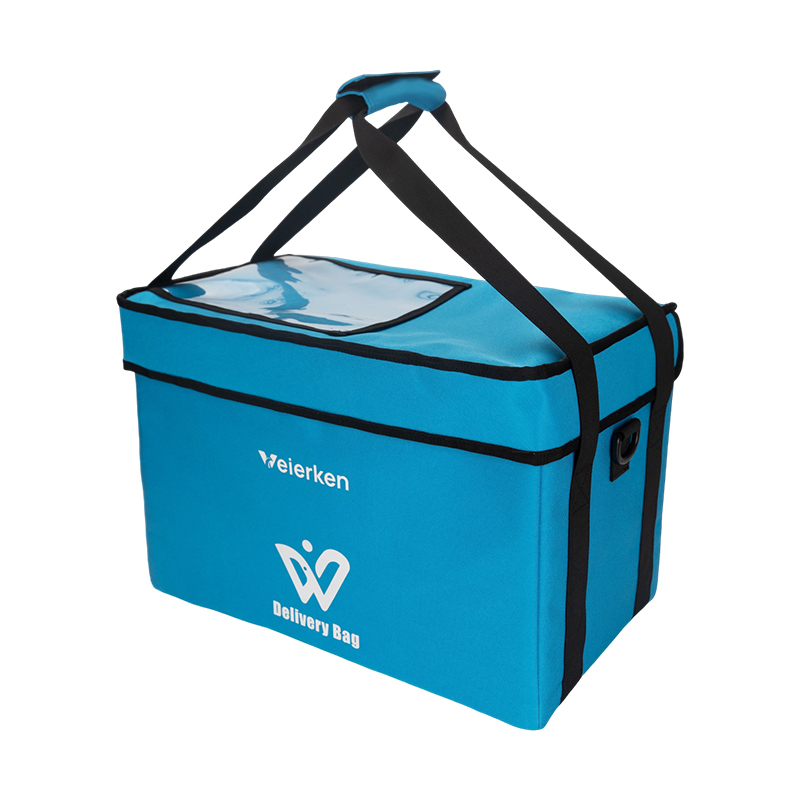
Choosing the right insulated food delivery bag is essential for ensuring the safe transport of frozen goods. There are different types of bags available, each offering distinct benefits depending on the type of frozen goods being shipped and the conditions of transit.
Weierken's food delivery bags are made from high-quality, durable materials such as 1680D nylon and PVC tarpaulin, which offer excellent waterproofing and durability. These bags are designed to withstand extreme conditions, ensuring that frozen goods are protected from heat, moisture, and external elements during transit. Additionally, they come in various sizes to accommodate different products, from single meals to large catering orders.
Bag Type | Benefits | Ideal Use Case |
Soft-Sided Bags | Lightweight, flexible, easy to store | Short-distance shipments, less fragile items |
Hard-Sided Bags | More protection, durable, and rigid | Long-distance shipments, more delicate items |
Customizable Bags | Tailored to your needs, excellent insulation | For businesses with unique shipping needs |
The size and design of your insulated bags play a significant role in the efficiency of the shipping process. Overpacking or underpacking bags can lead to temperature fluctuations, as air gaps inside the bags can compromise insulation. Weierken provides customizable solutions that allow businesses to select the ideal bag size for their shipments, ensuring that the frozen goods are packed securely.
Moreover, Weierken's bags feature modular designs, including adjustable compartments, to keep different items separated, such as hot and cold goods. This helps streamline the shipping process and prevents temperature cross-contamination.
As sustainability becomes an increasingly important concern for businesses and consumers alike, Weierken offers eco-friendly options for frozen food shipping. Their insulated delivery bags are made from recyclable and biodegradable materials, reducing the environmental footprint of food shipments. By choosing these eco-friendly bags, businesses can align with customer values while still maintaining the high standards of temperature control required for frozen goods.
Shipping frozen goods successfully requires preparation and attention to detail. The key to a safe and efficient shipment lies in both how the food is packed and how the bags are used to maintain temperature integrity.
Before shipping frozen goods, it is important to ensure that the food is properly frozen and sealed. Pre-chilling the food and ensuring that it is at the correct freezing temperature before placing it in the insulated bags is essential. Additionally, vacuum sealing the food helps to prevent moisture buildup and freezer burn during transit, preserving the food's quality.
To pack frozen goods properly, start by placing frozen items at the bottom of the insulated food delivery bags. Next, layer dry ice or gel packs on top to keep the temperature low. Be sure to remove any air from the bags to ensure that no gaps are left, as air can cause temperature fluctuations. Weierken's bags provide excellent insulation with thermal aluminum foil linings and EPE foam, which help lock in the cold and keep food frozen for longer periods.
Packing Method | Benefit | Ideal Use Case |
Layering | Maximizes thermal retention | For large shipments, ensures uniform cooling |
Vacuum Sealing | Prevents freezer burn and moisture | For sensitive foods like seafood or ice cream |
Dry Ice & Gel Packs | Provides long-lasting cooling power | For long-distance shipping, maintaining frozen state |
Once the food is packed, it's important to securely seal the bag to prevent any air or moisture from entering. Weierken's insulated bags come with YKK zippers or strong Velcro closures to ensure an airtight seal. Proper labeling with clear instructions, such as “Perishable” and “Dry Ice,” ensures that all parties involved are aware of the contents and any special handling instructions.
The shipping method you choose for frozen goods depends on the distance, the urgency of delivery, and the size of the shipment. Each method presents unique challenges, and selecting the best option ensures that your frozen goods arrive safely.
Air freight is the fastest method for shipping frozen goods, particularly when time is critical. However, it can be expensive. When using air freight, it's important to pack the frozen goods in temperature-controlled containers and use Weierken's insulated bags to provide an additional layer of protection. These bags help maintain the desired temperature during the quick transit.
For businesses with less urgent shipments, ground shipping is a more cost-effective option.
● Best for Short Distances: Ground shipping is ideal for domestic shipments where the delivery time is shorter, allowing you to use insulated bags effectively.
● Minimizing Temperature Fluctuations: Ensure the delivery bags are well-packed to limit the time that frozen goods are exposed to higher temperatures.
For large-scale shipments, sea freight is often the most economical option, though it requires careful planning.
● Challenges of Long Transit Times: Extended shipping times require high-quality insulation to keep frozen goods intact.
● Refrigerated Containers: Use refrigerated shipping containers to ensure frozen goods remain at the right temperature for the entire journey.

Frozen food shipments must comply with various health and safety regulations such as FDA guidelines and international standards. This includes proper labeling and documentation, such as temperature logs and dry ice declarations. When shipping internationally, it is essential to adhere to all relevant regulations to ensure the goods are delivered safely and within the required timeframes.
When shipping frozen goods internationally, you must ensure all the necessary paperwork is included. Customs declarations must accompany the shipment, which should include health certificates and temperature tracking logs. Weierken's bags provide the option to integrate IoT-enabled temperature loggers, allowing you to track the temperature of your goods in real-time and ensure compliance and quality control.
Shipping frozen goods requires careful planning, the right shipping method, and the appropriate packaging to ensure that the products remain safe and intact. By using high-quality, customized food delivery bags like those from Weierken, businesses can maintain temperature control, reduce operational costs, and enhance customer satisfaction. Weierken's customized bags provide the necessary durability and insulation to ensure that frozen goods are shipped safely, whether by air, ground, or sea. With proper packaging and a reliable logistics plan, businesses can thrive in the competitive market of frozen food shipping.
A: Food delivery bags are specially designed to maintain temperature during transit. They help keep frozen goods at the required temperature, ensuring safe and efficient shipping.
A: Pack frozen goods tightly in insulated food delivery bags with cooling agents like dry ice or gel packs to maintain a consistent cold temperature during transit.
A: Insulated food delivery bags help reduce temperature fluctuations, ensuring that frozen goods stay safe and fresh, preventing spoilage and ensuring customer satisfaction.
A: Food delivery bags with proper insulation and coolants can maintain a cold temperature for several hours, depending on the distance and type of cooling materials used.


