
Views: 0 Author: Site Editor Publish Time: 2026-01-19 Origin: Site
Shipping chocolate may seem like a simple task, but it comes with specific challenges that require attention to detail. Unlike other food products, chocolate is particularly sensitive to temperature fluctuations, humidity, and handling during transit. Exposure to heat can cause chocolate to melt, and exposure to cold can make it brittle or prone to cracking. Moisture can cause sugar bloom, which affects both its appearance and texture. Whether you're shipping small batches of truffles, large boxes of gourmet chocolates, or handmade chocolate gifts, ensuring that your product arrives in pristine condition is essential. This guide will explore why chocolate shipping requires special care and how food delivery bags, particularly those offered by Weierken, provide an effective solution to protect your chocolates during transport.
Chocolate is a delicate product that reacts sensitively to changes in its environment, particularly temperature and humidity. The following factors outline why special care is needed when shipping chocolate:
● Temperature Sensitivity: Chocolate is a substance that begins to melt at relatively low temperatures. For example, dark chocolate starts melting at around 113°F, while milk and white chocolate melt at even lower temperatures. This makes chocolate highly vulnerable to heat exposure. Conversely, cold temperatures can cause chocolate to become too rigid and may result in cracking or breaking. As such, chocolate needs to be transported in a temperature-controlled environment to preserve its original form and texture.
● Moisture Sensitivity: One of the most common problems that chocolate faces during shipping is moisture exposure. When chocolate is exposed to humidity, it can develop a condition called sugar bloom, which is characterized by a white, powdery coating on the surface of the chocolate. This bloom occurs because sugar rises to the surface and crystallizes when exposed to moisture. While sugar bloom doesn't affect the taste of chocolate, it does affect its appearance and texture, making the chocolate look unattractive.
● Packaging Integrity: Without proper packaging, chocolate can be subject to physical damage during shipping. Whether from shifting inside the box or external impacts, chocolate can easily break, crack, or become misshapen. Additionally, chocolates may be vulnerable to contamination or environmental elements, such as dust, dirt, or temperature fluctuations, if the packaging isn't well-designed.
Proper care, combined with the right packaging, can prevent these issues, ensuring that your chocolate arrives in perfect condition and retains its high-quality taste and texture.
Understanding the different types of chocolate and how they respond to temperature changes is critical in choosing the right shipping and packaging methods. Different chocolates have different melting points, and some are more sensitive to heat than others. Below is a breakdown of common chocolate types and their respective sensitivities:
Chocolate Type | Melting Point (°F) | Sensitivity to Heat | Notes |
Dark Chocolate | 113–120 | Moderate | Dark chocolate is more resistant to heat, but prolonged exposure can still cause it to melt or lose its shine. |
Milk Chocolate | 104–115 | High | Milk chocolate is particularly sensitive to heat and can melt quickly if not carefully packaged and shipped. |
White Chocolate | 100–110 | Very High | White chocolate is the most sensitive to temperature changes. It can easily lose its texture and appearance if exposed to heat. |
Given these differences, it's crucial to select the appropriate packaging and shipping methods based on the type of chocolate you're shipping. For example, white chocolate may require extra insulation or ice packs compared to dark chocolate.
One of the most effective ways to protect chocolate during shipping is by using insulated food delivery bags. These bags are designed to keep the temperature inside the bag stable for a prolonged period, preventing the chocolate from being exposed to extreme temperatures.
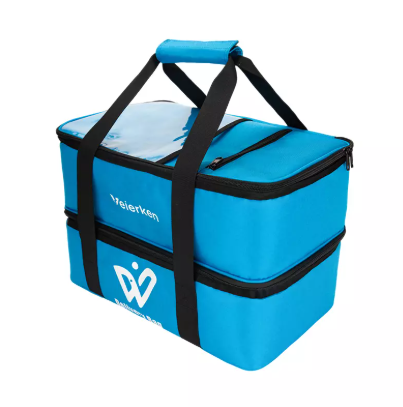
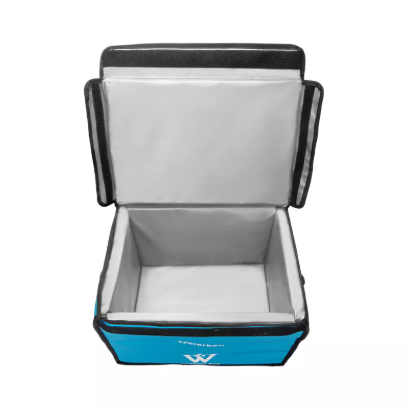
Weierken Food Delivery Bags are particularly known for their high-quality thermal insulation. These bags feature multiple layers of insulation foam and reflective materials, which work together to block out heat and maintain a stable internal temperature. The insulation helps to keep the chocolate cool in hot weather, and prevents it from becoming too cold during winter months.
Additionally, these insulated bags provide a barrier that prevents external temperature fluctuations from affecting the chocolate. For long-distance shipments or hot climates, these bags are essential for protecting chocolate's delicate texture and flavor.
In addition to temperature control, moisture is a major concern when shipping chocolate. Weierken Food Delivery Bags are equipped with waterproof linings and moisture-proof materials, which act as a barrier against condensation and humidity. This helps to prevent issues like sugar bloom, which can make chocolate look unsightly. The moisture-proof layer also helps to keep the chocolate fresh and prevents it from becoming sticky or clumpy.
The waterproof lining ensures that even in high humidity conditions, your chocolate remains in optimal condition. By preventing moisture from affecting the chocolate, these bags help maintain its appearance and quality from departure to arrival.
Proper storage inside the delivery bag is just as important as temperature and moisture control. When packing chocolate, it's important to minimize movement inside the bag. Chocolate that moves around too much during transport can break, crack, or lose its shape.
Weierken Food Delivery Bags are designed with reinforced seams and secure compartments to keep chocolate in place. These bags have ample space and durable zippers, ensuring that chocolates are kept in an organized, stable position, even during long-distance shipping. The compartments also prevent the chocolate from coming into direct contact with other items in the shipment, reducing the risk of damage.
Before you pack chocolate into food delivery bags, it is important to stabilize the chocolate's temperature. Start by refrigerating the chocolate for a few hours to ensure it is at a stable, cool temperature. However, avoid freezing chocolate, as this can cause condensation to form when the chocolate is removed from the cold environment. The moisture from the condensation can then cause sugar bloom or other damage to the chocolate.
Allow the chocolate to reach room temperature before placing it in the delivery bag to prevent condensation and moisture buildup inside the packaging.
Selecting the right food delivery bags is essential for ensuring that the chocolate is well-protected. Weierken offers a variety of insulated food delivery bags made from Oxford fabric and PEVA waterproof lining, two materials that provide excellent thermal insulation and moisture protection.
These bags come in multiple sizes to accommodate both small and large shipments of chocolate. The high-quality materials ensure that the chocolate remains at the right temperature throughout its journey, preventing any melting, cracking, or other forms of damage. Whether you're shipping small boxes of truffles or large batches of chocolate bars, Weierken's bags provide the necessary protection.
For shipping chocolate in warmer weather or over longer distances, it's important to include additional cooling elements such as ice packs or gel packs. These cooling elements help maintain a low temperature inside the food delivery bag, ensuring that the chocolate stays fresh and intact.
Weierken's bags are specifically designed to accommodate these cooling elements. When using ice packs, it's crucial to place them in separate compartments or use protective wrapping so that they do not come into direct contact with the chocolate. Direct contact could cause condensation, which leads to moisture issues like sugar bloom.
Once the chocolate is properly packed in the delivery bag, it's important to seal the bag and the outer shipping box securely. This ensures that the contents remain intact during transit and are protected from external elements.
Additionally, clearly label the package with "Fragile", "Perishable", and "This Side Up" stickers. These labels serve as a clear signal to the carrier that the package contains sensitive and delicate products. Proper labeling helps ensure that the chocolate is handled with care throughout the shipping process.
To ensure that chocolate remains within the correct temperature range during shipping, consider adding temperature-sensitive labels or IoT-enabled devices to the package. These devices can track the temperature and humidity inside the shipping package in real-time. If the conditions fall outside of the ideal range, you'll be notified so that you can take appropriate action.
These devices provide peace of mind and an extra layer of protection for temperature-sensitive shipments.
The faster the chocolate reaches its destination, the less likely it is to suffer from temperature or moisture-related issues. It's recommended to choose expedited shipping options, such as overnight or 2-day delivery. This minimizes the amount of time the chocolate spends in transit, reducing the risk of damage from fluctuating temperatures.
Avoid scheduling shipments that will be delayed over weekends, as chocolate can sit in warehouses with inconsistent temperatures. Ideally, ship early in the week to ensure prompt delivery.
While temperature and moisture control are essential, don't forget about the visual appeal and branding aspect of packaging. Unique and branded packaging can elevate the customer's experience. Consider using custom-printed boxes, tissue paper, or decorative ribbons to make the unboxing experience memorable.
Including a personalized note or branded materials can also help create a lasting impression with your customers.
Sustainability has become increasingly important in the business world. You can incorporate eco-friendly packaging materials such as biodegradable packing peanuts, recyclable boxes, and reusable cooling packs into your shipping process. Not only will this help reduce your environmental footprint, but it also shows your commitment to sustainability, which resonates with many consumers.
Weierken's insulated food delivery bags are made from durable, eco-conscious materials that reduce single-use waste, contributing to a more sustainable packaging solution.
Shipping chocolate during heat waves or extremely hot months requires additional precautions. In addition to using high-quality food delivery bags, you can consider using dry ice or phase-change materials, which remain at a stable, low temperature for longer periods. This helps to extend the time the chocolate stays cool, even in high temperatures.
When shipping chocolate over long distances, it's important to plan for delays or changes in transit times. High-performance food delivery bags, along with multiple cooling packs, can help maintain a stable temperature throughout the entire journey, ensuring that the chocolate arrives fresh and undamaged.
Shipping chocolate requires careful planning, packaging, and temperature control to ensure that the product reaches its destination in perfect condition. Insulated food delivery bags, such as those offered by Weierken, provide the necessary protection from temperature changes, moisture, and physical damage. By following the best practices outlined in this guide, you can confidently ship chocolate, knowing it will arrive in optimal condition.
Food delivery bags are used to maintain the ideal temperature for chocolate during transit, ensuring it stays fresh and protected from temperature extremes.
Insulated food delivery bags provide thermal insulation and moisture-proof linings to prevent chocolate from melting, blooming, or becoming damaged during shipping.
It is not recommended to ship chocolate without insulated food delivery bags, as improper packaging can lead to temperature-related damage, affecting the chocolate's texture, appearance, and flavor.
Weierken food delivery bags are designed with premium insulation, moisture protection, and durable construction, ensuring that your chocolate remains in perfect condition, even during long-distance or heat-sensitive shipments.


