
Views: 0 Author: Site Editor Publish Time: 2026-01-19 Origin: Site
Shipping refrigerated products is challenging. Temperature control is crucial. Whether transporting produce, dairy, or frozen meals, it's vital to keep items at the right temperature.
In this article, we'll cover the best practices for shipping refrigerated products. You'll also learn how Weierken's custom-designed bags help keep your products fresh and safe.
Insulated delivery bags are specially designed to maintain the required temperature of goods, whether hot or cold, during transportation. These bags are made using various materials, such as foam, reflective linings, and thermal barriers, which work together to slow down or prevent heat transfer. When used for refrigerated products, these bags provide a crucial layer of insulation that helps preserve the freshness of items such as dairy, meat, frozen foods, and other temperature-sensitive goods.
Refrigerated products are susceptible to spoilage if they are exposed to temperatures outside of their safe range. Without temperature control, these products can deteriorate quickly, leading to a loss in quality or, in some cases, complete spoilage. Insulated delivery bags, like those from Weierken, are essential for ensuring that your refrigerated products stay at the correct temperature from the time they leave your facility until they arrive at their destination.
In addition to maintaining temperature, these bags also protect your products from external environmental factors, such as moisture and physical damage. The durability of Weierken's bags ensures that your products remain secure, even during rough handling or extended travel times.
When selecting the right insulated delivery bags, there are several important features to consider:
● Durability: Bags must withstand frequent use and transport conditions.
● Thermal Insulation: Multi-layer insulation ensures temperature stability, keeping products cold.
● Waterproof and Leak-Proof Design: These features prevent moisture from damaging the products.
● Customizable Sizes: Depending on your product type and shipment size, having a range of bag sizes is essential to minimize wasted space.
Weierken's insulated delivery bags excel in all these areas, providing you with durable, reliable, and customizable solutions for refrigerated shipping.
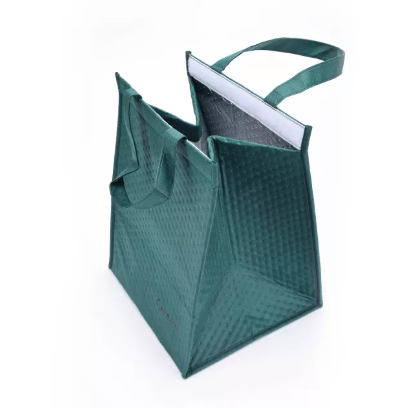
Before packing refrigerated products into insulated delivery bags, it is crucial to ensure that the products are properly chilled. Pre-chilling the items and refrigerating the bags can help maintain a consistent temperature. If your products are extremely sensitive to temperature changes, you may want to pre-chill the bags as well, ensuring they are at the optimal temperature before packing.
Using Weierken's insulated bags ensures that the bags maintain their thermal properties throughout the shipping process. By pre-chilling both the products and the bags, you can extend the period of time they stay at the correct temperature.
When packing refrigerated items, place the products inside insulated delivery bags, ensuring that they are snugly packed. Air gaps within the bag can cause temperature fluctuations, which may compromise the product's integrity.
Along with your product, pack appropriate cooling agents such as gel packs or dry ice. The right amount of cooling material depends on the shipment's duration and the type of product. For longer trips, dry ice is highly effective at maintaining low temperatures, while gel packs work well for shorter distances.
To ensure the most efficient packing, consider adding additional protective layers or compartments inside the bags. Weierken's bags come with modular compartments, allowing you to separate different items if necessary, which is particularly useful if you need to store multiple types of products within the same shipment.
Step | Best Practice | Benefit |
Pre-cooling | Chill products and bags before packing | Ensures consistent temperature control |
Coolant Selection | Use gel packs or dry ice for optimal cooling | Maintains temperature for longer periods |
Tight Packing | Minimize air gaps and pack products securely | Reduces temperature fluctuations and ensures safety |
After the products are packed in the insulated delivery bags, it's important to seal them properly. Weierken's bags come equipped with strong YKK zippers or Velcro closures, which ensure a secure, tight seal to keep the cold inside. Sealing the bags minimizes the risk of warm air entering, which could compromise the temperature stability.
In addition to sealing the bags, it's also essential to properly label the shipment. Labels such as "Perishable" or "Keep Refrigerated" should be clearly visible, and if you're using dry ice, be sure to mark the package accordingly.
Temperature control is the cornerstone of successful refrigerated product shipping. Whether you are shipping perishable food, medicines, or sensitive materials, maintaining a consistent temperature from the origin to the destination is crucial. For most refrigerated products, this means keeping them between 0°C and 5°C. Insulated delivery bags, like those from Weierken, provide the necessary insulation to keep products in the correct temperature range.
Without adequate temperature control, products can become unsafe for consumption, lose quality, or even become spoiled. By utilizing high-performance insulated bags, you ensure that your refrigerated goods remain safe and high-quality during transit.
Cold chain logistics involves maintaining a continuous, controlled environment for temperature-sensitive products, including during storage, transportation, and delivery. The cold chain must be unbroken, ensuring that products are kept at the correct temperature from point A to point B. Using insulated delivery bags plays an essential role in ensuring the cold chain is maintained throughout the process, allowing products to remain safe for consumption.
Process | Best Practice | Tools Needed |
Pre-shipment | Ensure products are pre-chilled and packed tightly | Refrigerators, ice packs, insulated bags |
Transportation | Use vehicles with temperature control or insulated containers | Insulated trucks, temperature-controlled bags |
Delivery | Maintain temperature until the product is accepted by the recipient | Insulated delivery bags, real-time temperature monitoring |
When choosing insulated food delivery bags, there are several factors to consider to ensure they meet your needs. First, you must assess the size and capacity needed for your products. Choosing a bag that is too large or too small can affect temperature retention, and lead to inefficiency.
Other important features include durability—bags should be able to handle frequent transport and rough conditions—and material quality. Weierken's insulated bags are made from high-density foam and premium fabrics, offering the best thermal insulation for your refrigerated products.
There are several types of insulated delivery bags suitable for different shipping needs. Whether you are shipping smaller quantities or large, bulk shipments, Weierken offers a variety of bags with different thermal properties.
Bag Type | Best for | Advantages |
Soft-Sided Bags | Short-distance deliveries | Lightweight and flexible, cost-effective |
Hard-Shell Bags | Long-distance deliveries | Maximum protection, durable, and stable |
Customizable Bags | Businesses with specific needs | Tailored solutions for temperature control |
Extreme weather conditions can pose significant risks when shipping refrigerated products. In hot temperatures, products can thaw, and in cold temperatures, they can freeze. To overcome these challenges, it's important to select high-quality insulated delivery bags like those from Weierken, which are specifically designed to handle fluctuating temperatures and extend cold chain reliability.
Condensation can lead to unwanted moisture and damage, especially when shipping refrigerated products. To prevent condensation, use sweat-proof gel packs and ensure that insulated bags have leak-proof seals. This added protection prevents moisture from seeping in and affecting the quality of the products.
Shipping refrigerated products requires careful planning. Weierken's insulated delivery bags are essential for maintaining the right temperature during transit. By following the best practices outlined in this article, like pre-cooling and proper packing, you can ensure your products stay fresh and safe.
Weierken's custom insulated bags offer durable and efficient solutions for businesses needing reliable refrigerated product shipping. Whether shipping small or large orders, Weierken helps maintain your cold chain logistics and meet your temperature-sensitive shipping needs.
A: Insulated delivery bags are designed to maintain temperature control during shipping. They are essential for keeping refrigerated products, like dairy or frozen meals, at the correct temperature, preventing spoilage during transit.
A: Ensure your products are pre-chilled and securely packed with cooling agents, such as gel packs or dry ice, inside insulated delivery bags. Tight packing minimizes temperature fluctuation, keeping your products fresh.
A: Weierken's insulated bags provide superior durability and thermal insulation, ensuring reliable temperature control for refrigerated items. Their custom bags help businesses maintain cold chain logistics, preventing spoilage and improving customer satisfaction.
A: The duration depends on factors like product type, distance, and the quality of the insulation. Weierken's insulated bags are designed to keep refrigerated products cold for extended periods, making them ideal for both short and long-distance shipments.


