
Views: 0 Author: Site Editor Publish Time: 2025-10-29 Origin: Site
Ever wondered why your food delivery arrives cold or soggy? Insulated delivery bags are crucial for maintaining food quality during transit. Choosing the right bag ensures meals stay hot or cold, enhancing customer satisfaction. In this post, you'll learn key factors to consider, types of bags available, and essential features for optimal food transport.
When selecting the best insulated delivery bag for your food or grocery transport, several key factors come into play. These determine how well the bag performs in maintaining temperature, durability, and ease of use.
The outer material of an insulated delivery bag greatly impacts its durability and weather resistance. Common materials include:
Nylon: Lightweight, durable, and water-resistant. Ideal for food delivery backpacks and insulated pizza bags.
Polyester: Resistant to stains and abrasion, often used in insulated catering bags.
Vinyl: Offers strong protection and easy cleaning but may trap moisture if not ventilated properly.
Inside, the lining is usually made of food-safe materials like polyethylene or aluminum foil. These ensure hygiene and simplify cleaning. For example, many insulated food delivery bags use reflective foil to help retain heat.
Effective insulation is crucial for keeping food hot or cold during transit. The insulation layer often consists of closed-cell foam or thick polyethylene foam, which slows heat transfer. Some premium bags include reflective layers or phase change materials to further enhance thermal retention.
The thickness of insulation, typically ranging from 1 to 2 inches, affects how long the bag can maintain temperature. Thermal bags for food delivery with thicker insulation perform better on longer routes. For instance, insulated pizza bags use specialized insulation to keep pizzas hot without sogginess.
Choosing the right size depends on your typical delivery needs:
Small bags: Suitable for single meals or small orders.
Medium bags: Ideal for multiple items or larger food containers.
Large insulated delivery bags: Perfect for catering or bulk grocery deliveries.
Consider the dimensions carefully. A large insulated food delivery backpack may accommodate several orders but could be cumbersome for bike couriers. Conversely, compact bags are easier to carry but limit capacity.
Your insulated delivery bag should withstand daily use and rough handling. Look for features like:
Reinforced stitching and heavy-duty zippers.
Water-resistant and tear-resistant fabrics.
Sturdy handles or straps designed for comfort and strength.
Durability ensures your investment lasts, reducing replacement costs. For example, insulated bags for DoorDash drivers often need extra reinforcement due to frequent use.
Tip: Prioritize bags with high-quality insulation and durable materials to ensure your food insulated bag maintains temperature and withstands daily delivery demands.
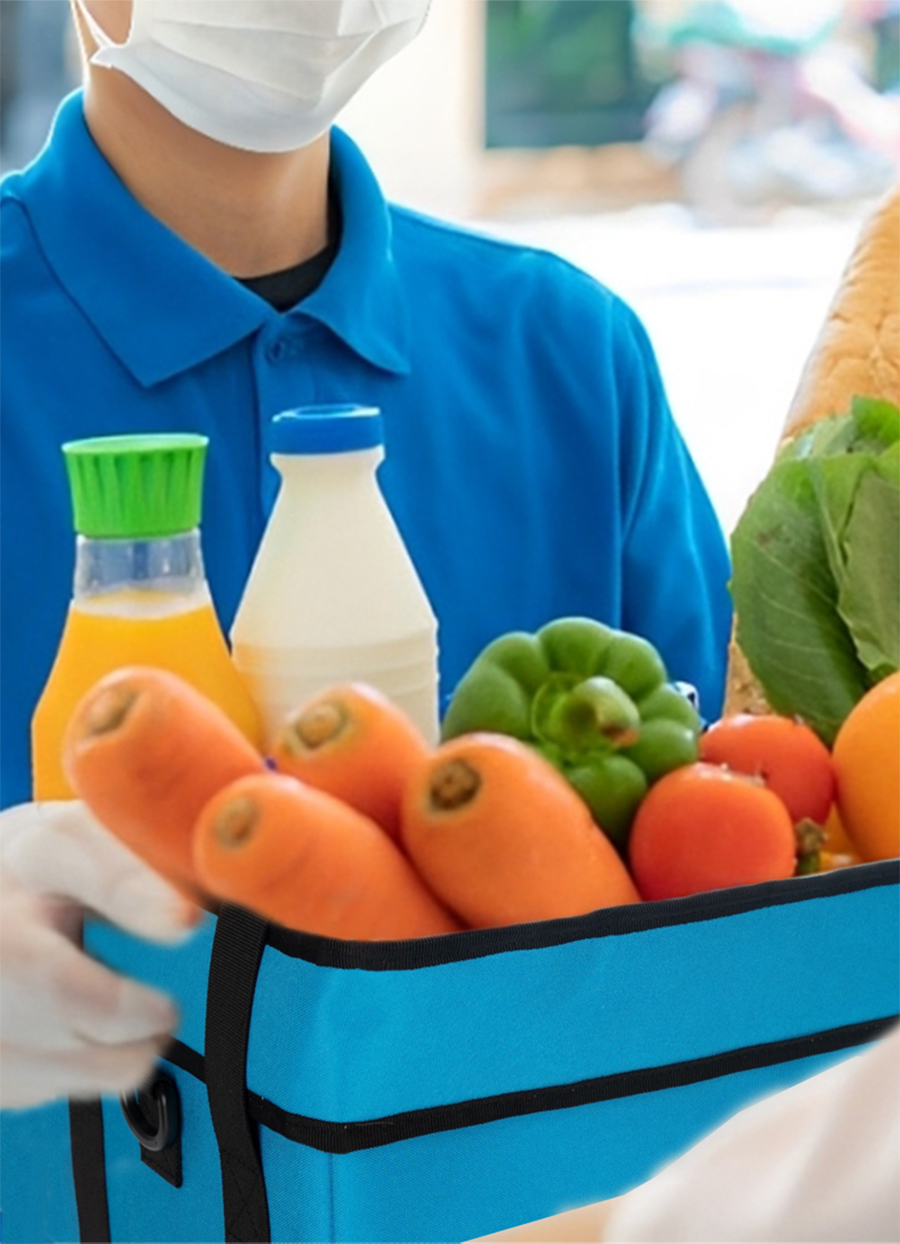
When it comes to choosing the best insulated delivery bag, understanding the different types available can help you find the perfect fit for your food or grocery transport needs. Each type offers unique advantages tailored to specific delivery scenarios.
Soft-sided insulated delivery bags are made from flexible materials like nylon or polyester. They are lightweight, easy to fold, and convenient for storage. These bags often come with multiple compartments, making them versatile for carrying various food items. For example, a soft-sided insulated pizza bag is great for keeping pizzas hot while allowing some breathability to prevent sogginess. However, they may provide moderate temperature retention compared to hard-sided options.
On the other hand, hard-sided insulated bags feature a rigid exterior, often made from materials like polypropylene or reinforced plastic. This structure offers superior protection against impacts and better temperature stability. Hard-sided bags are ideal for heavy-duty use, such as insulated catering bags that transport large quantities of food over longer distances. Their firm shape also prevents food from being crushed, which is essential for delicate items.
| Feature | Soft-Sided Bags | Hard-Sided Bags |
|---|---|---|
| Flexibility | High | Low |
| Temperature Control | Moderate | High |
| Durability | Moderate | High |
| Storage Convenience | Easy to fold and store | Bulky, requires space |
Certain insulated delivery bags are designed for specialized uses. For instance, insulated pizza bags are tailored to hold pizza boxes securely while maintaining heat and preventing moisture buildup. Similarly, insulated catering bags come with reinforced handles and thick insulation to handle large orders for events.
For delivery services like DoorDash, an insulated bag for DoorDash drivers often combines portability with ample space to carry multiple orders. These bags are designed for quick access and efficient organization.
Food delivery backpacks are increasingly popular among couriers who need mobility and hands-free convenience. They feature padded shoulder straps and ergonomic designs, distributing weight evenly. These insulated delivery backpacks often include multiple compartments for separating hot and cold items and may have reflective strips for safety during night deliveries.
In contrast, shoulder bags have a single strap and are easier to access quickly but may be less comfortable for long durations or heavy loads. They work well for smaller orders or short-distance deliveries.
Choosing between a food delivery backpack and a shoulder bag depends on your delivery style, volume, and comfort preferences.
Tip: For urban deliveries requiring mobility, opt for an insulated food delivery backpack with adjustable straps and reflective safety features to enhance comfort and visibility.
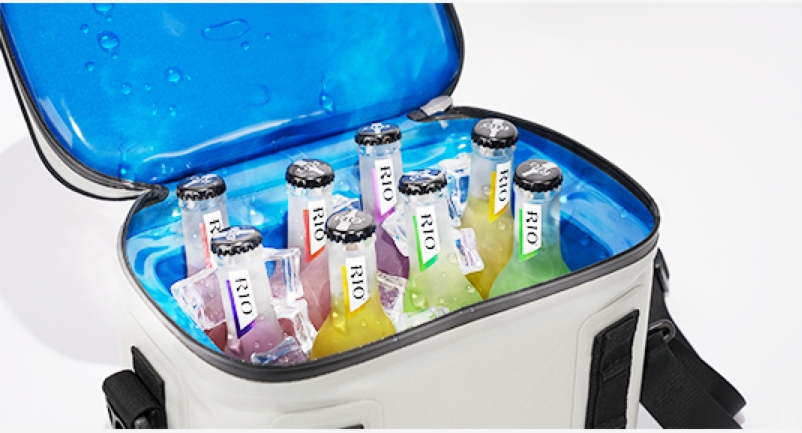
Choosing the right insulated delivery bag means paying attention to specific features that ensure your food stays fresh, safe, and easy to transport. Here’s what to look for when selecting your next food delivery bag.
A key feature of any insulated delivery bag is its ability to maintain the temperature of your food, whether hot or cold. Look for bags with:
Thick insulation layers: Typically, 1 to 2 inches of foam insulation slows heat transfer effectively.
Reflective linings: Aluminum foil or reflective materials help bounce heat back to the food or keep cold in.
Tight closures: Zippers, Velcro, or magnetic seals that create a snug fit to prevent heat or cold from escaping.
Steam vents: Especially important in insulated pizza bags to prevent sogginess by letting moisture escape.
For example, a high-quality insulated pizza bag will combine thick foam with breathable nylon to keep pizzas piping hot without trapping steam.
Food delivery bags get messy, so easy cleaning is a must. Consider:
Food-safe, wipeable linings: Materials like polyethylene or aluminum foil make wiping spills easy and hygienic.
Removable liners or inserts: These simplify deep cleaning and help prevent odors.
Water-resistant exteriors: Fabrics like nylon or polyester repel water and stains, keeping the bag looking fresh.
Durable zippers and seams: Strong hardware resists wear and tear from frequent cleaning.
A food delivery backpack with a smooth interior lining can be quickly wiped down between deliveries, saving time and maintaining hygiene.
Comfort and convenience matter, especially for delivery drivers on the move. Look for:
Adjustable padded straps: For backpacks or shoulder bags, these reduce strain during long deliveries.
Multiple carrying options: Some bags offer handles, shoulder straps, and backpack-style straps for versatility.
Lightweight design: Helps prevent fatigue without sacrificing insulation.
Reflective safety strips: Important for couriers delivering at night or in low-light conditions.
An insulated delivery backpack with ergonomic straps and reflective accents can improve comfort and safety for bike couriers or DoorDash drivers.
Tip: Prioritize insulated delivery bags that combine strong temperature retention, easy-to-clean materials, and ergonomic carrying features to ensure food quality and courier comfort on every delivery.
When deciding on the best insulated delivery bag for your food or grocery transport, understanding the differences between insulated and non-insulated bags is essential. Each type serves a specific purpose, and choosing the right one can impact food quality, customer satisfaction, and operational efficiency.
Insulated delivery bags are designed to maintain the temperature of food items during transit. They use layers of foam, reflective linings, or advanced materials like phase change materials to keep hot foods hot and cold foods cold. Here’s why insulated bags stand out:
Temperature Retention: Insulated food delivery bags slow heat transfer, preserving the freshness and safety of your meals. For example, a hot food thermal bag ensures piping hot dishes arrive just as prepared.
Food Safety: By maintaining safe temperatures, insulated bags reduce the risk of bacterial growth and foodborne illness.
Versatility: These bags can transport a variety of foods, from pizzas in insulated pizza bags to large orders in insulated catering bags.
Customer Satisfaction: Delivering meals at the right temperature improves taste and presentation, encouraging repeat business.
Durability: Many insulated bags are made from sturdy materials like nylon or polyester, offering protection against weather and rough handling.
Insulated food delivery backpacks and insulated delivery backpacks offer hands-free convenience while maintaining temperature control, ideal for couriers on the move.
Non-insulated bags lack thermal layers and are primarily used for basic transport without temperature control. Here are scenarios where they might be suitable:
Short Distances: If deliveries are quick and food is less temperature-sensitive, a non-insulated bag can suffice.
Room Temperature Items: Transporting items like packaged snacks, bottled drinks, or baked goods that don’t require heating or cooling.
Cost Considerations: Non-insulated bags are often lighter and less expensive, making them a budget-friendly option for certain delivery needs.
Supplementary Use: They can be used alongside insulated bags for carrying non-perishable items or utensils.
However, keep in mind that non-insulated bags won’t protect hot or cold foods from temperature changes, which can affect food quality and safety.
Tip: For food delivery businesses covering longer distances or handling temperature-sensitive items, investing in the best insulated bags for food delivery ensures food safety, quality, and customer satisfaction.
Proper maintenance and care are vital to keep your insulated delivery bag performing at its best. Regular cleaning, smart storage, and routine inspections extend the life of your bag and ensure it maintains optimal temperature control for your food insulated bag.
Start by emptying the bag completely. Remove all food items, liners, or accessories. Use a soft cloth or sponge with warm, soapy water to wipe the interior. Focus on spills or stains, especially in insulated food delivery backpacks or insulated pizza bags, where grease and sauces can accumulate. Avoid harsh chemicals that damage insulation layers.
For tougher stains, a mixture of water and mild detergent works well. Rinse thoroughly with a damp cloth to remove soap residue. Wipe down the exterior, paying attention to zippers and seams. Many insulated catering bags feature water-resistant nylon or polyester exteriors, making cleaning easier.
Disinfect the bag occasionally by applying a solution of equal parts water and white vinegar. This helps eliminate odors and bacteria without harming materials. Always air dry your insulated delivery backpack or large insulated delivery bag completely before storage to prevent mold and mildew.
Store your insulated delivery bag in a cool, dry place away from direct sunlight. Avoid folding or compressing the bag tightly, which can damage insulation and shape. If possible, leave the bag slightly open to allow air circulation. This is especially important for food delivery backpacks and insulated catering bags that may retain moisture.
Keep your insulated bag for DoorDash or other delivery services off the floor and away from sharp objects. Proper storage protects the bag’s structure and extends its lifespan.
Regularly inspect your insulated delivery bag for signs of wear and tear. Check zippers, seams, handles, and straps for damage. Look inside for holes or thinning insulation that could reduce temperature retention. Address any issues promptly by repairing or replacing parts.
For food delivery backpacks and insulated pizza bags, ensure that closures remain secure and insulation is intact. A well-maintained hot food thermal bag preserves food quality and customer satisfaction.
Tip: Schedule routine cleanings and inspections of your insulated delivery bag to maintain hygiene, prevent odors, and ensure long-lasting temperature control.
Customizing your insulated delivery bag can elevate your brand and improve functionality. Whether you’re a food delivery service, caterer, or grocery transporter, personalized bags help make a memorable impression while meeting specific operational needs.
Adding your logo, business name, or brand colors to your insulated food delivery bags is a smart marketing move. Custom branding turns your delivery bag into a mobile advertisement, increasing brand visibility wherever your couriers go. Options include:
Screen Printing: Durable and vibrant, ideal for logos and slogans.
Embroidery: Adds a premium, textured look for upscale brands.
Custom Labels or Patches: Easy to apply and replace, perfect for seasonal promotions or limited editions.
For example, an insulated bag for DoorDash drivers with your logo can boost recognition and customer trust. Just ensure the branding doesn’t interfere with the bag’s insulation or structural integrity.
Accessories can enhance the usability of your insulated delivery bag, making deliveries smoother and more efficient. Consider these add-ons:
Dividers and Inserts: Separate hot and cold items or multiple orders to prevent mixing and maintain temperature control.
Extra Pockets: Store utensils, napkins, condiments, or receipts for easy access.
Adjustable Straps: Improve carrying comfort for food delivery backpacks or insulated delivery backpacks.
Reflective Strips: Increase safety for couriers delivering at night.
Waterproof Covers: Protect bags from rain or spills during transit.
These features are especially useful for large insulated delivery bags or insulated catering bags, where organization and protection are vital.
While customization adds value, it’s crucial not to sacrifice the bag’s primary function: temperature retention and durability. Keep these points in mind:
Use high-quality printing or embroidery techniques that won’t peel or fade after cleaning.
Avoid placing branding elements over seams, zippers, or insulation layers.
Test any added accessories for compatibility with your bag’s materials and design.
Maintain the bag’s waterproofing and easy-to-clean surfaces despite customization.
Balancing aesthetics with performance ensures your food insulated bag remains reliable and professional.
Tip: When customizing insulated food delivery backpacks or insulated pizza bags, choose branding methods and accessories that enhance your brand without hindering insulation or durability.
Choosing the best insulated delivery bag involves considering material durability, insulation efficiency, size, and carrying comfort. Bags should maintain temperature, be easy to clean, and offer ergonomic features. For urban deliveries, opt for backpacks with reflective safety strips. Customize bags with branding and accessories for enhanced functionality. Weierken offers high-quality insulated delivery bags that ensure food safety and customer satisfaction, providing reliable solutions for food and grocery transport. Prioritize these factors for optimal delivery performance.
A: Consider the material, insulation quality, size, durability, and specific needs like a food delivery backpack or insulated pizza bag. These factors ensure the bag maintains temperature and withstands daily use.
A: Insulation quality, including thickness and materials like reflective linings, affects temperature retention. High-quality insulation in thermal bags for food delivery keeps food hot or cold during transit.
A: Yes, insulated bags for DoorDash often feature portability, ample space, and quick access, designed to handle multiple orders efficiently.
A: A food delivery backpack offers hands-free convenience, even weight distribution, and often includes multiple compartments, making it ideal for couriers needing mobility.


